Subscribe to get the latest on
artists, exhibitions and more.
NEWS
The Translated Gesture | From Noise

A text by Tyler Hobbs
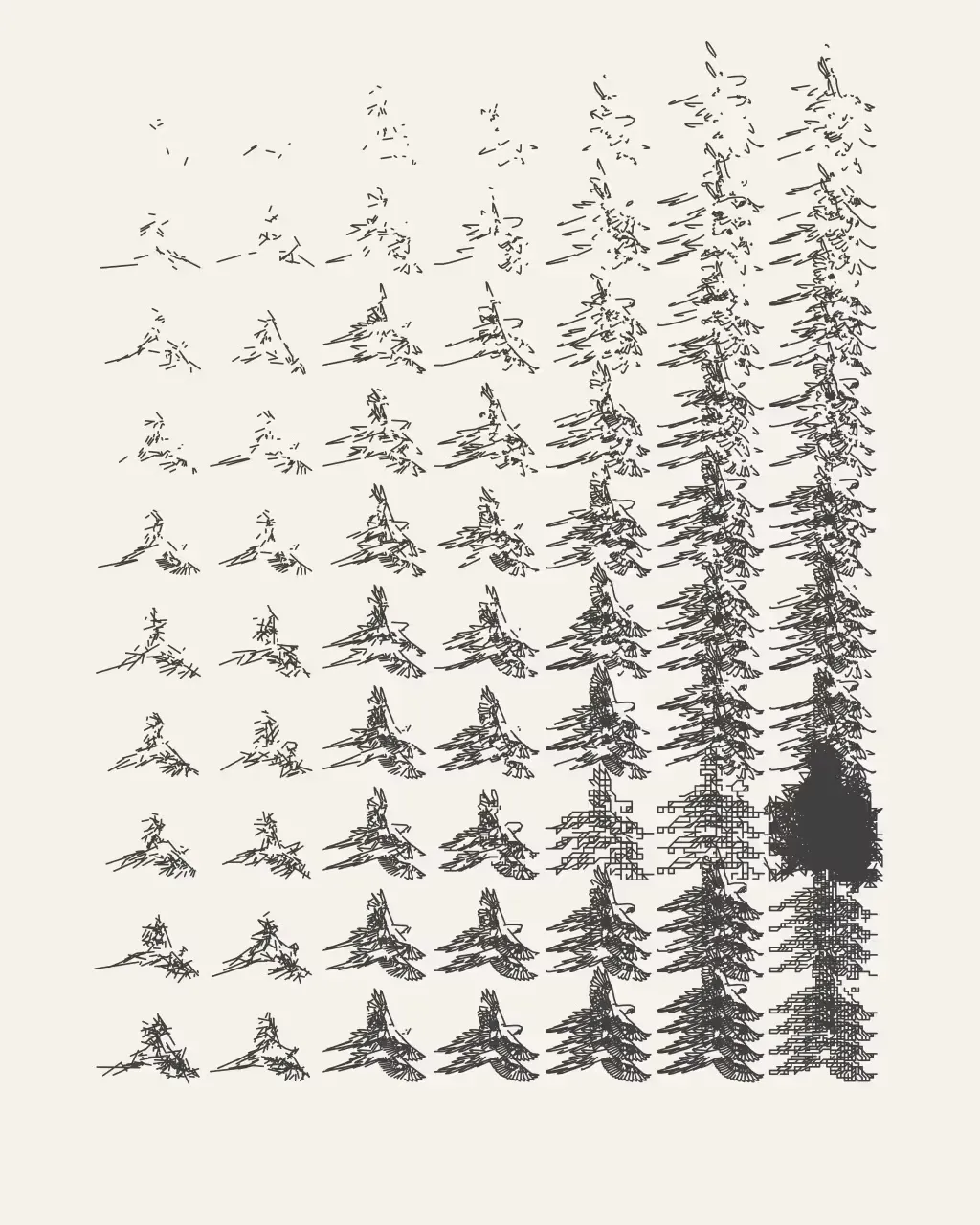
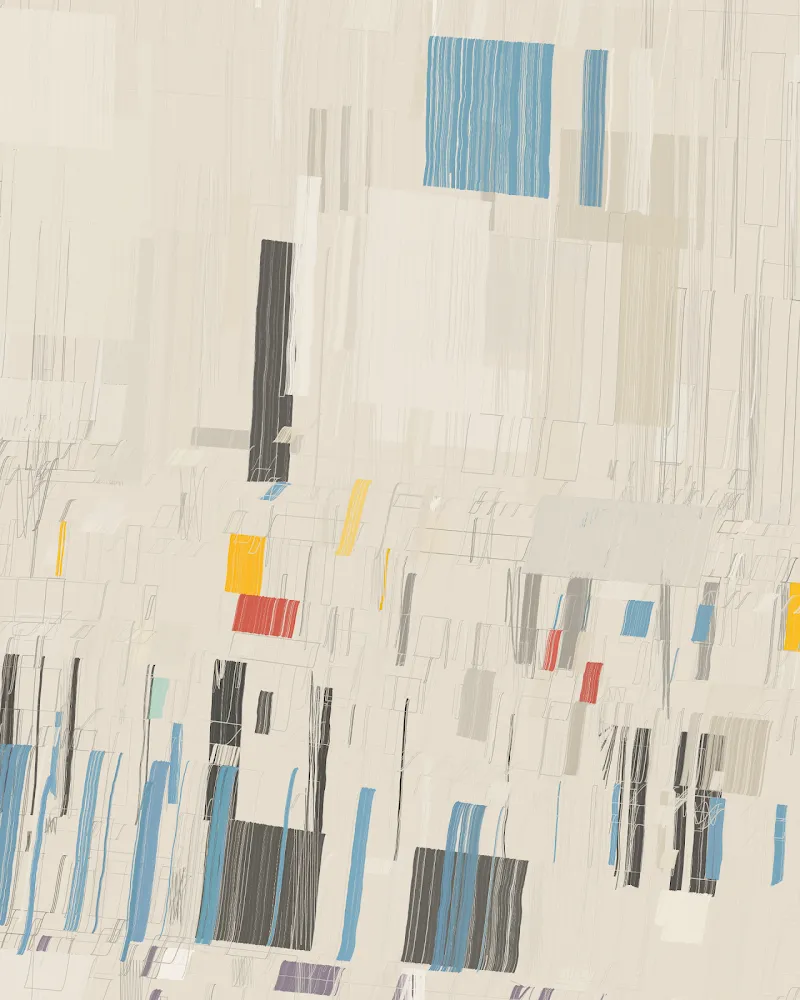
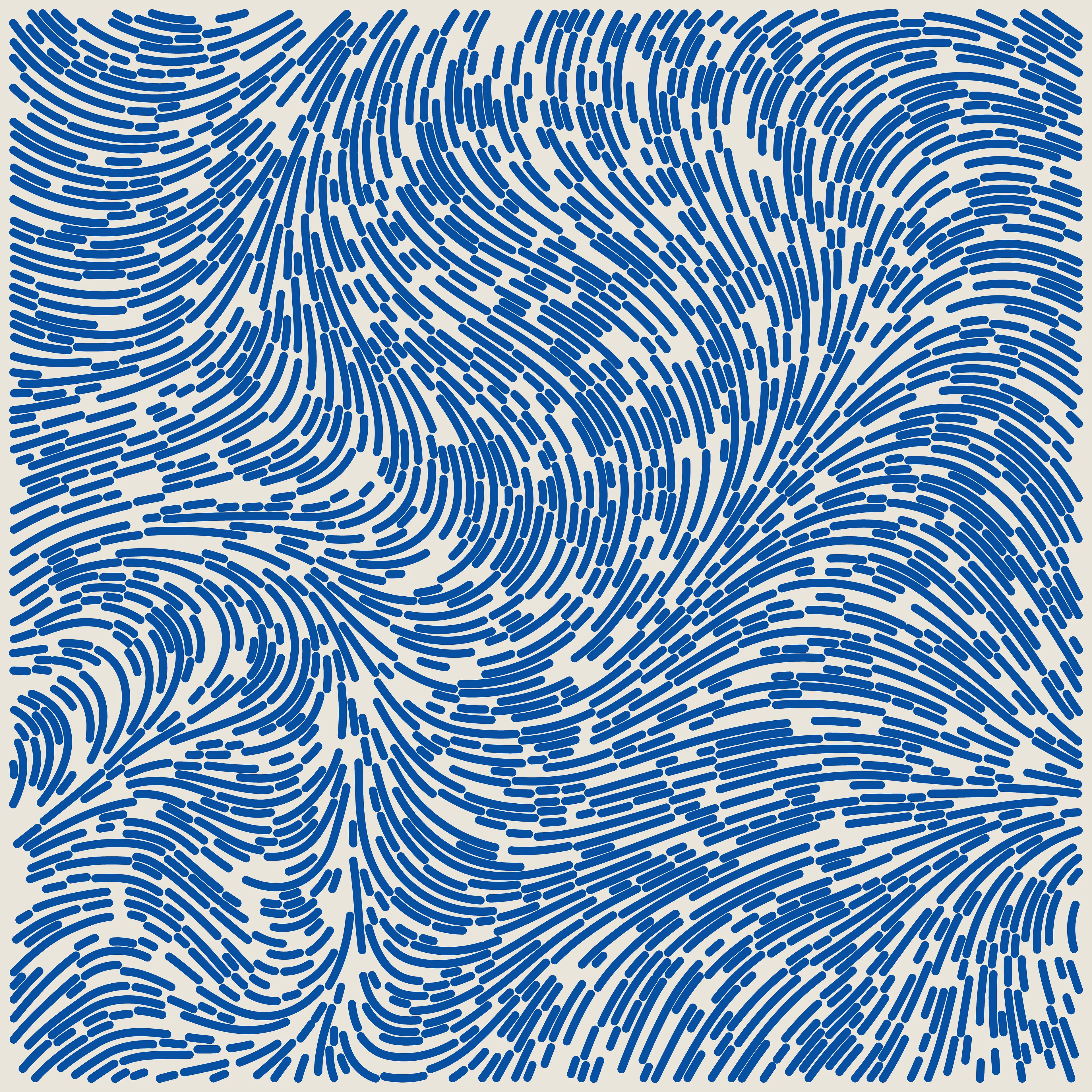
From Noise is an algorithmic response to the notion of the gesture, and gestural abstraction as practiced in the 20th century. When our hands no longer manually control the tools of artistic creation, what becomes of the gesture? Is there still a way in which the gesture evolves, continuing to represent the vitality of the creator?
This work explores the concept of the “translated gesture”, as contrasted with the “native gesture”. The native gesture is that which comes naturally to the medium, and to the method of mark making. When painting by hand, it may be the dashes and dabs we find in the work of Joan Mitchell or Cy Twombly. On the computer, and executed with code, the native gesture surely consists of straight lines, rectangles, and pixels. This is the path of least resistance.
The translated gesture, on the other hand, extracts the essence of a mark-making style from one medium or context and applies it in an entirely different domain. For example, consider Roy Lichtenstein’s famous translation of the brushstroke into a format suitable for newspaper comics. The essence of the original brushstroke remains, but the new form has been carefully constructed by the artist in order to allow it to exist in a world where it cannot naturally exist.
In From Noise, similar work has been done to translate the free, spontaneous gestures of artists like Twombly and Mitchell into the algorithmic realm. This process of translation into code invites questioning. How spontaneous were these original marks, really? What does it mean to be spontaneous? Is it necessary for the body to take part in this spontaneous creative act, or can the mind alone do the important part of the work? Is “spontaneity” just the presence of randomness that the artist has allowed to be injected into the creative process at chosen moments, in chosen ways? Perhaps crafted chaotic moments can be just as meaningful to the artist and to the viewer.