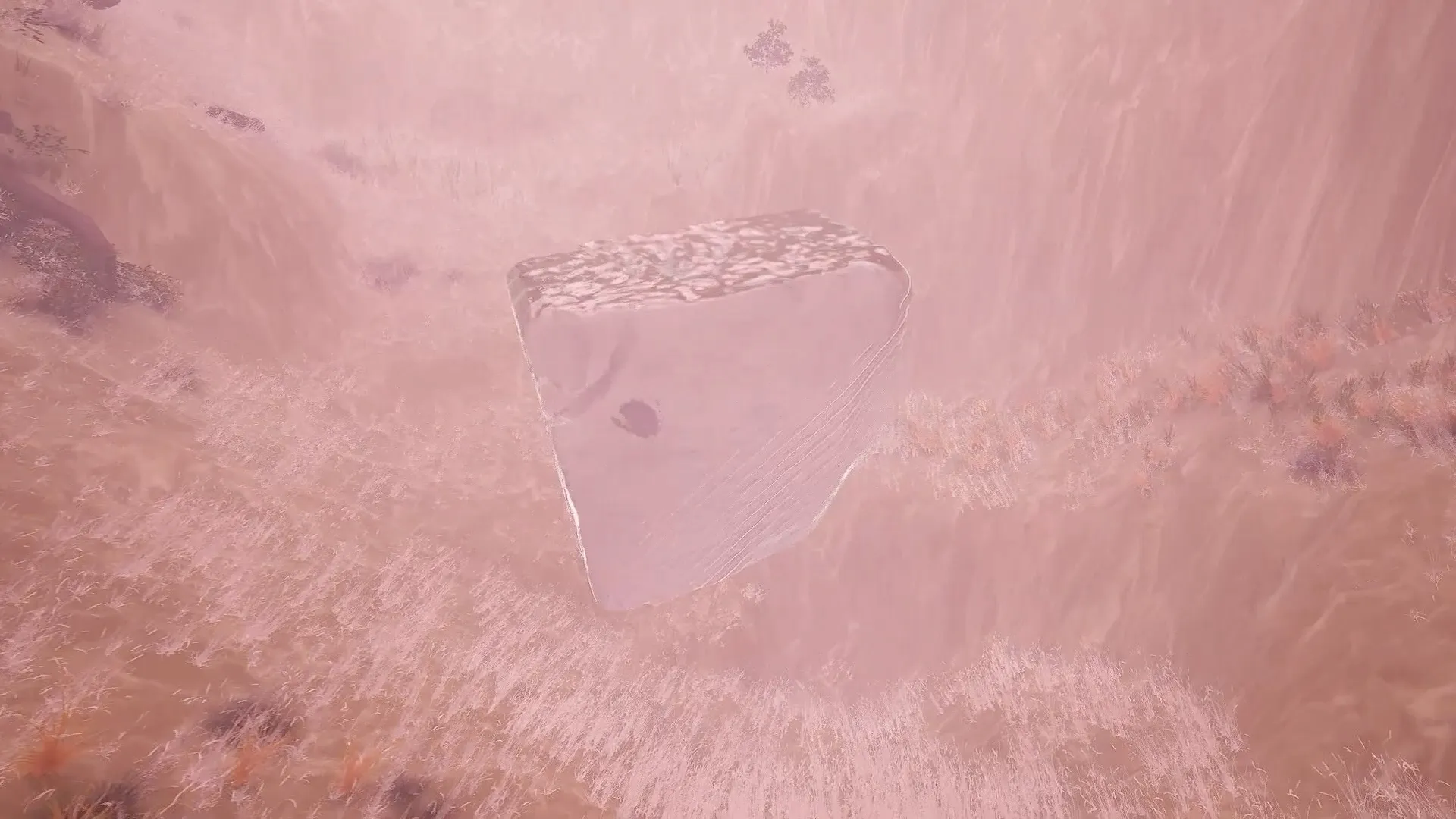
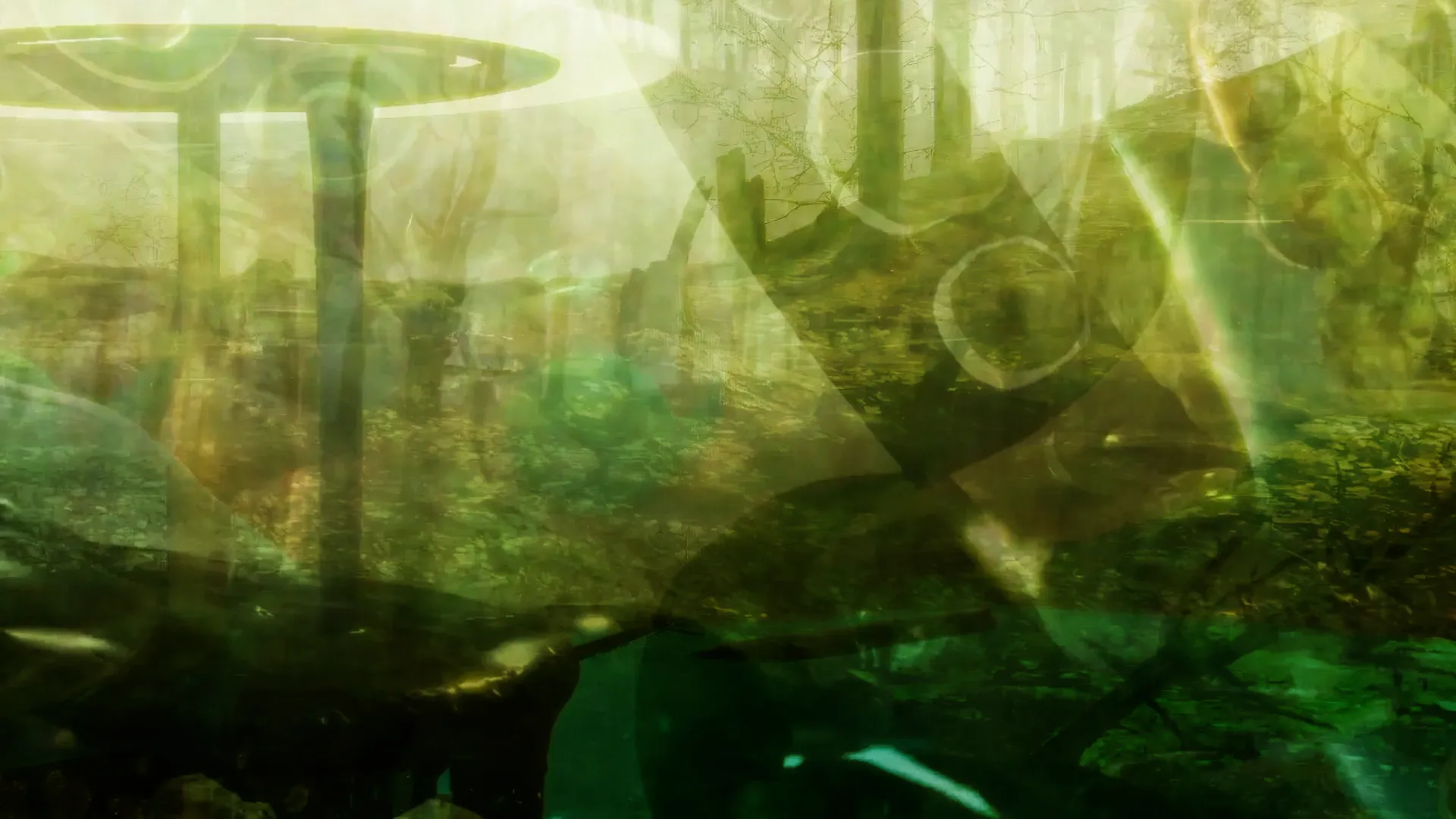
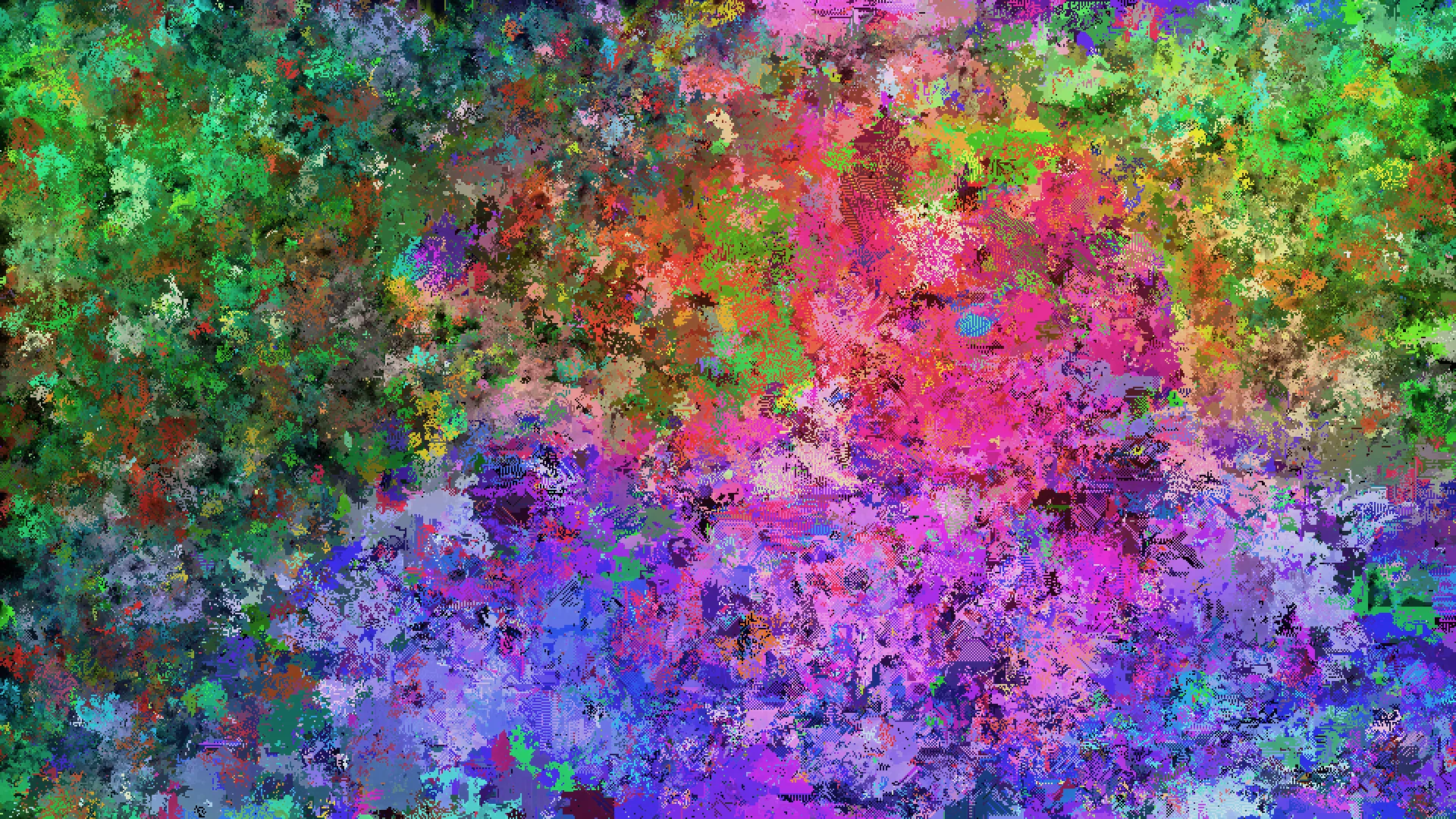
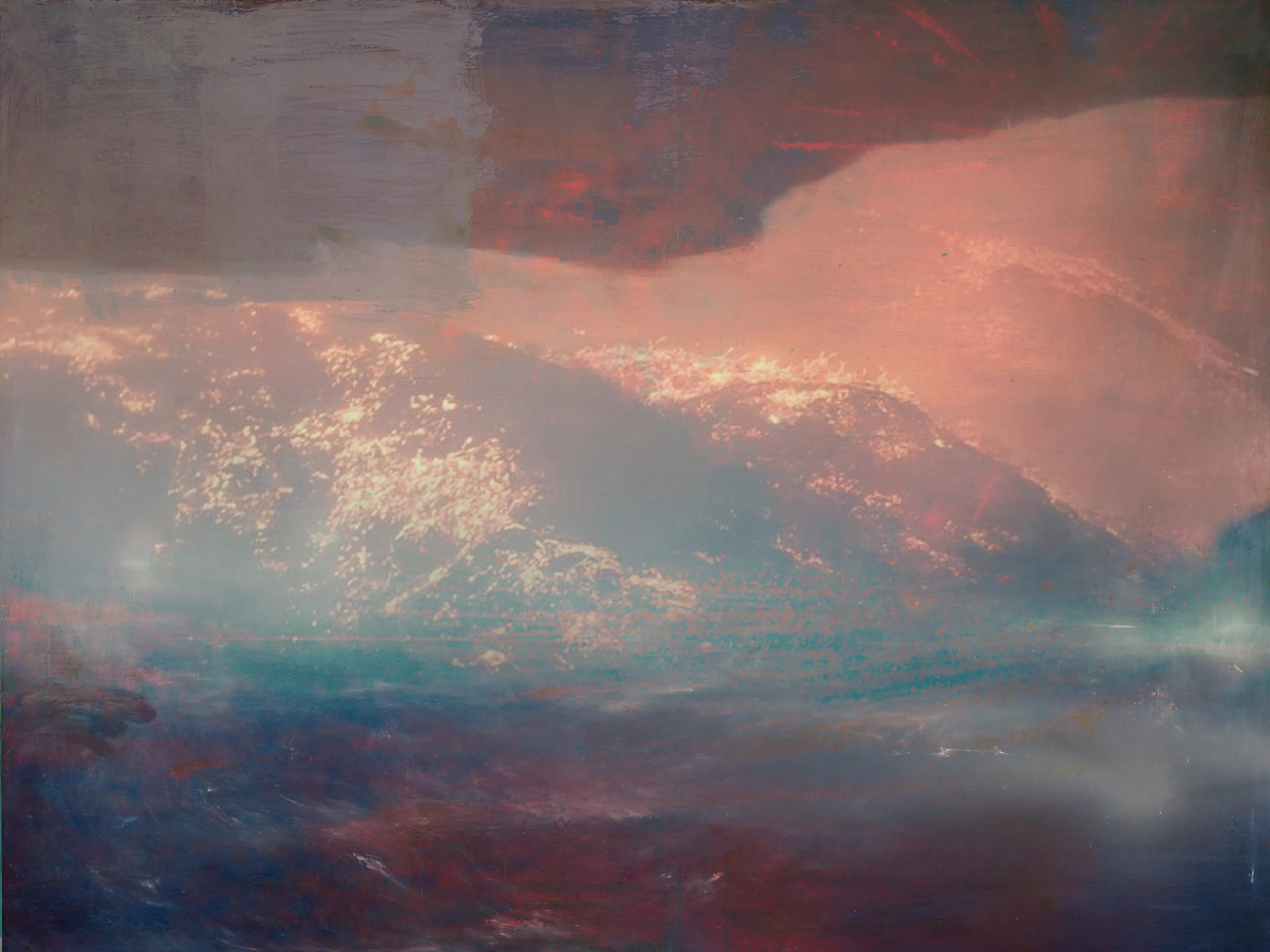
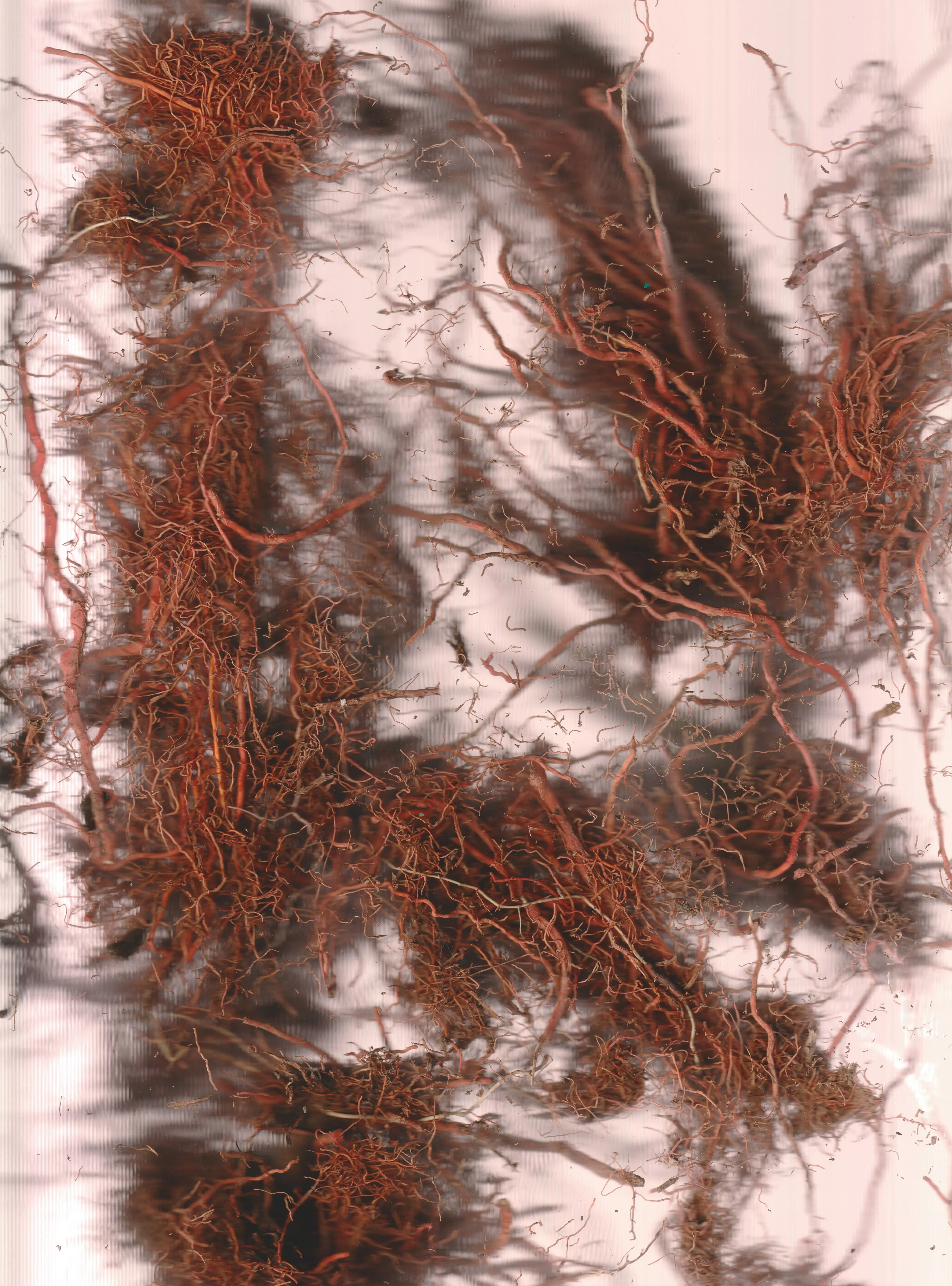
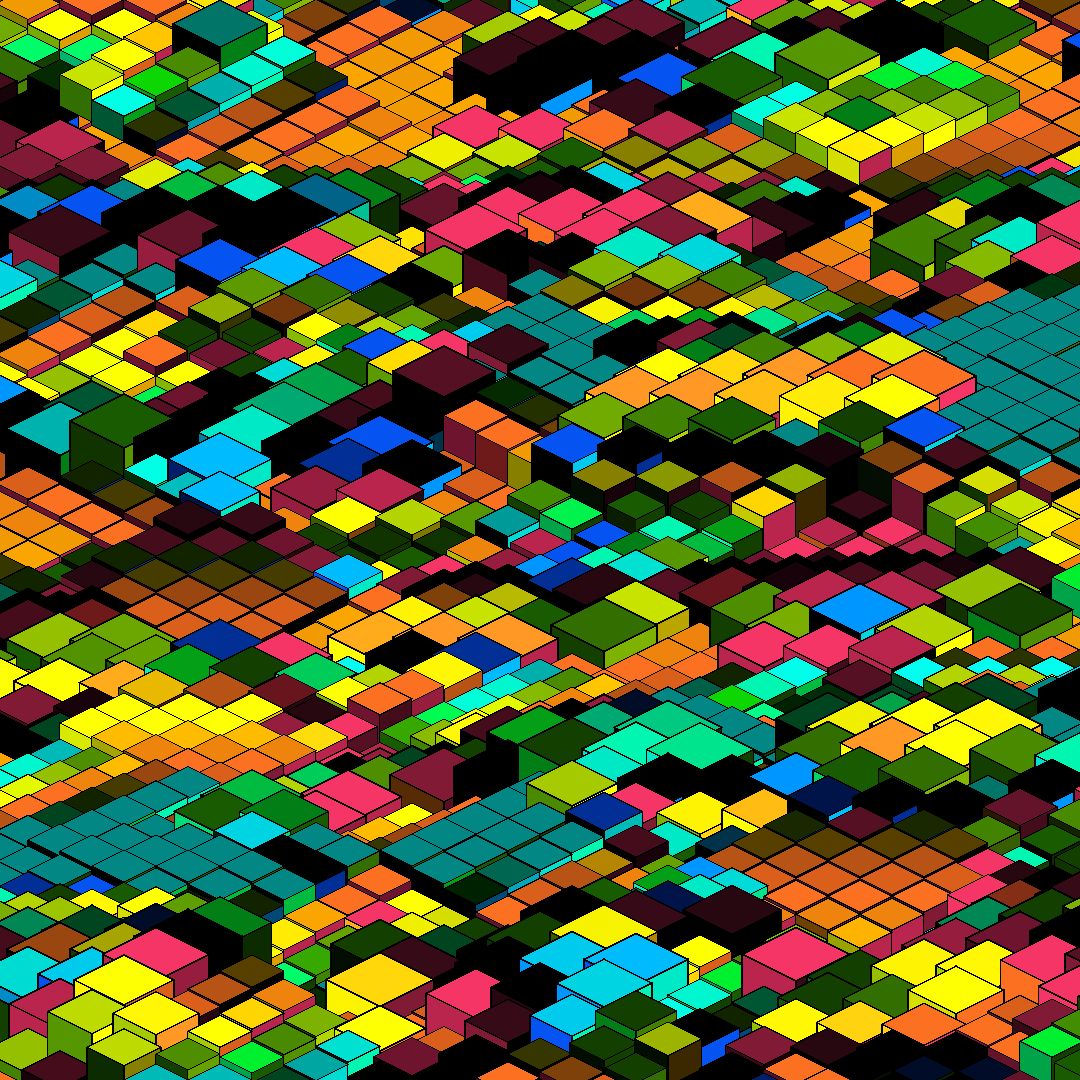
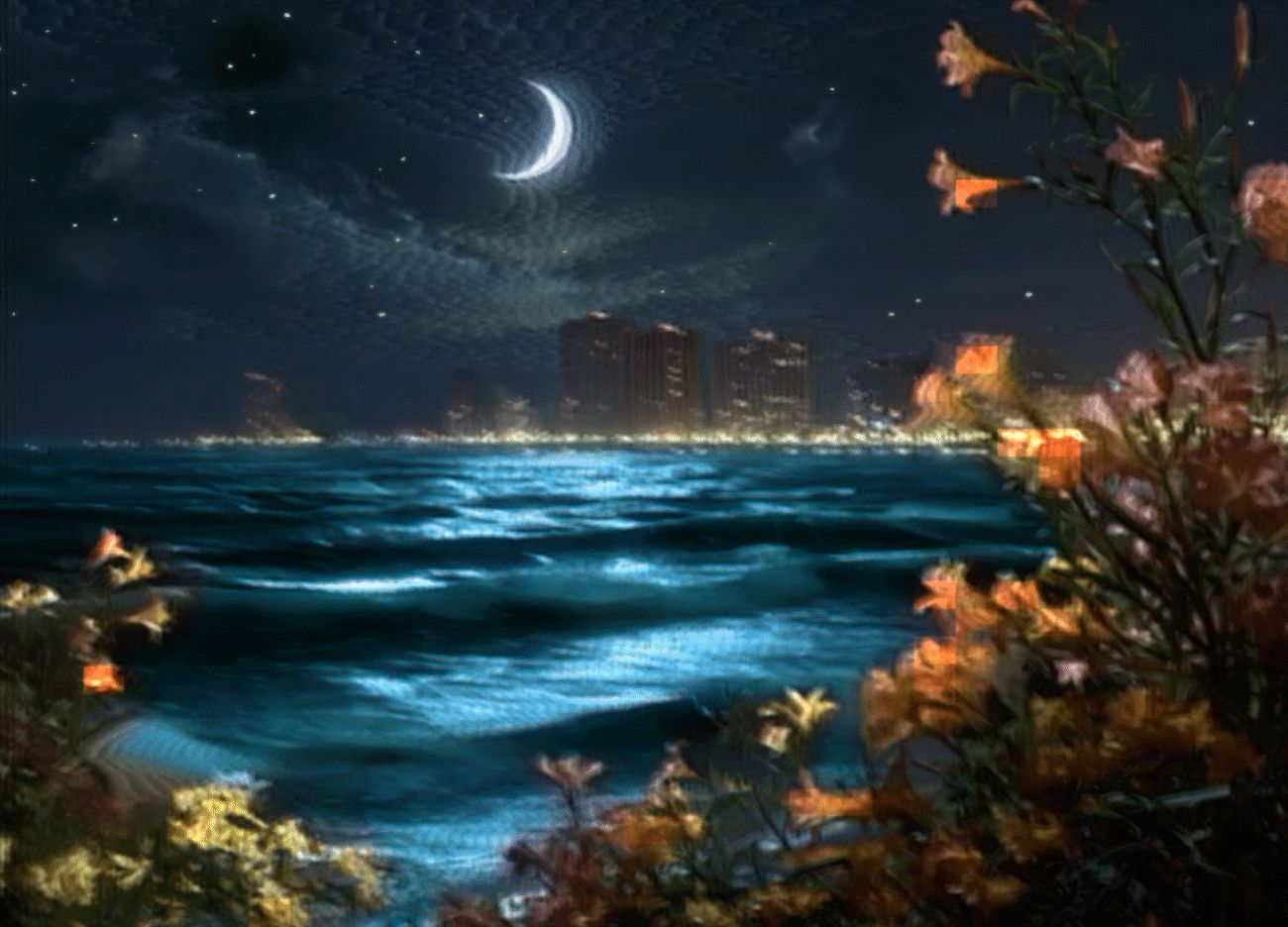
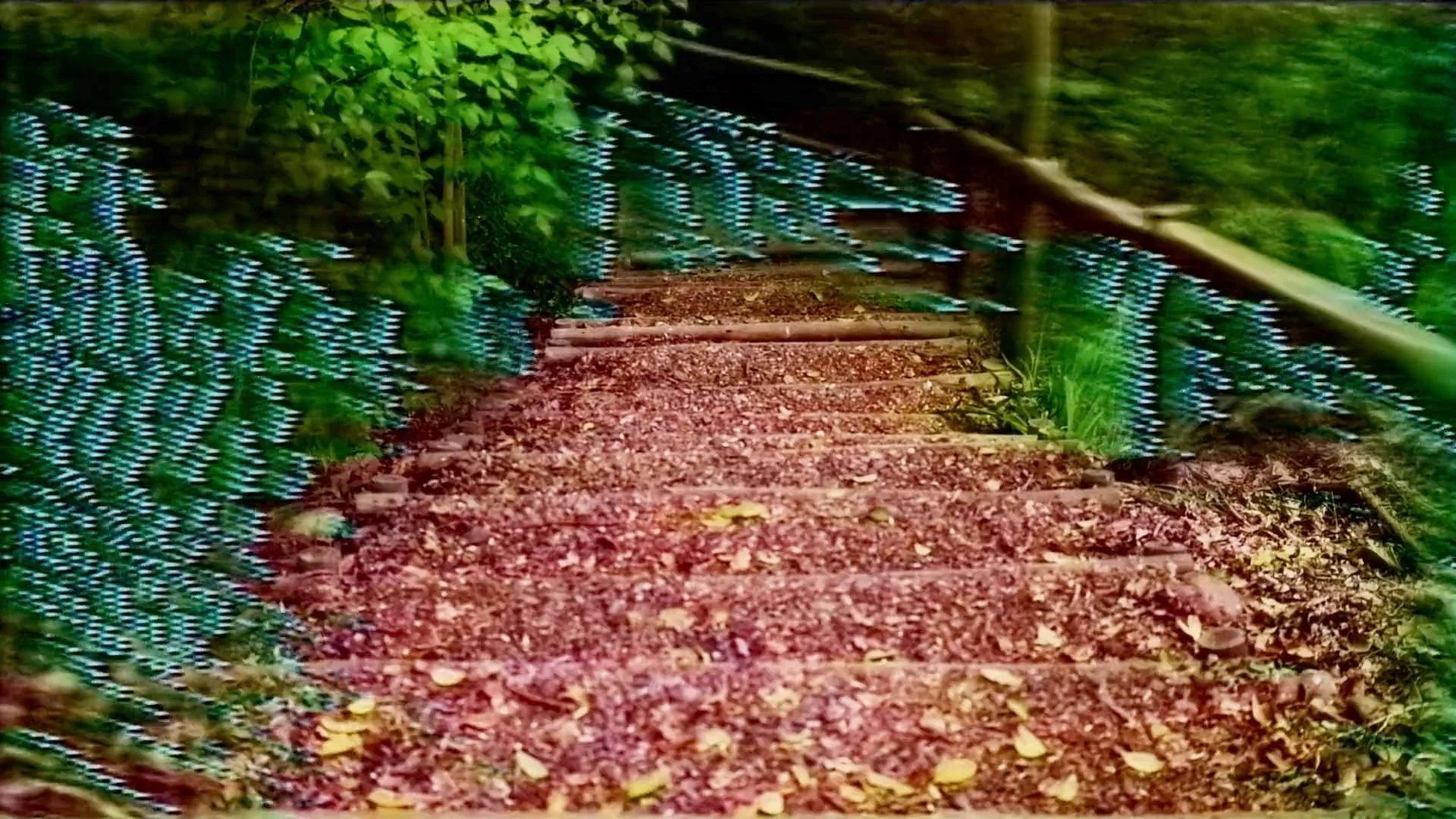
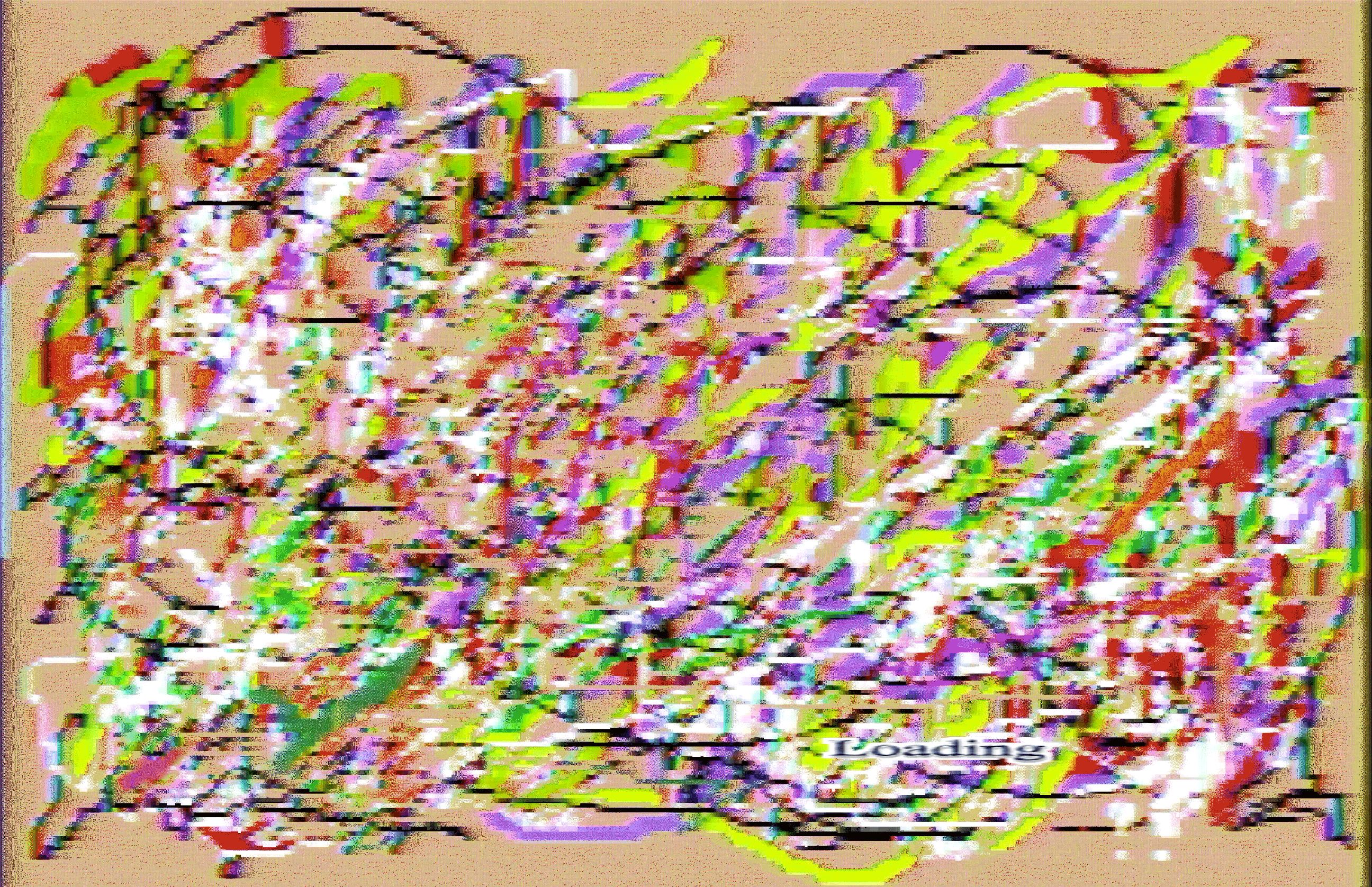
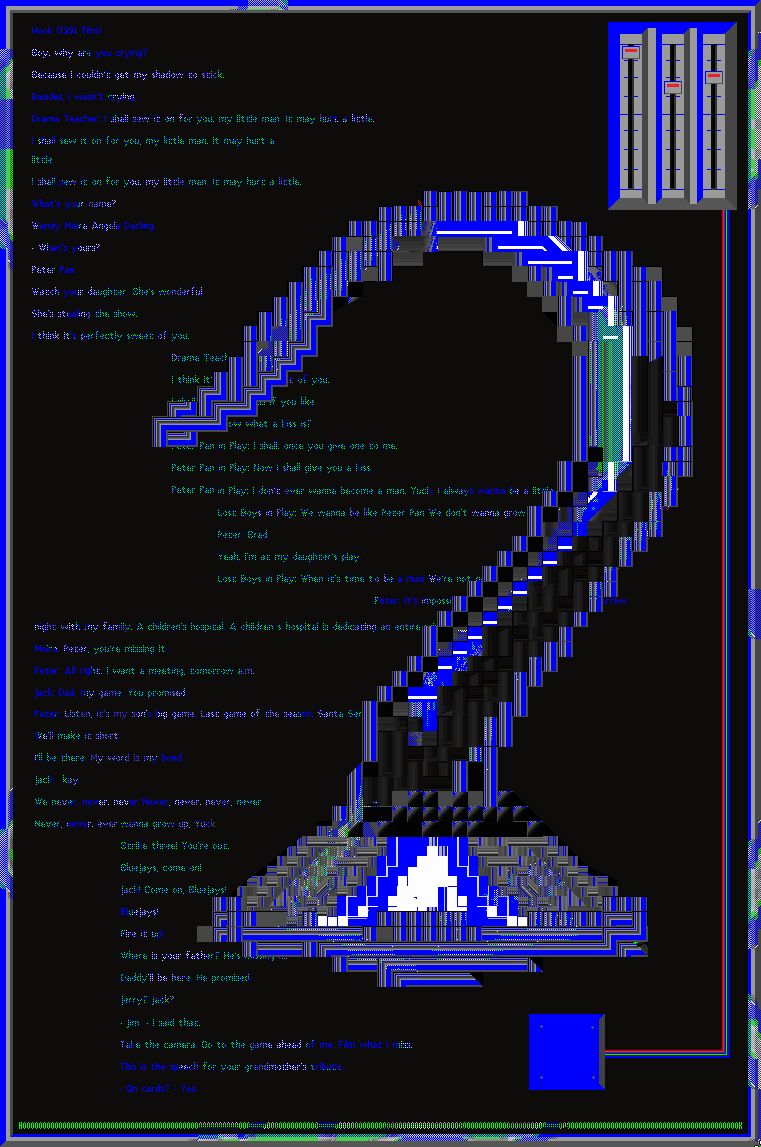
Qlimates is a video work in which both moving image and sound are processed through Libby Heaney’s bespoke non-binary quantum computing code. Through this framework, the piece superposes a quantum-informed, relational understanding of ecology with the linear modes of extraction that shape carbon- and oil-based economies as well as our rapidly electrifying world.
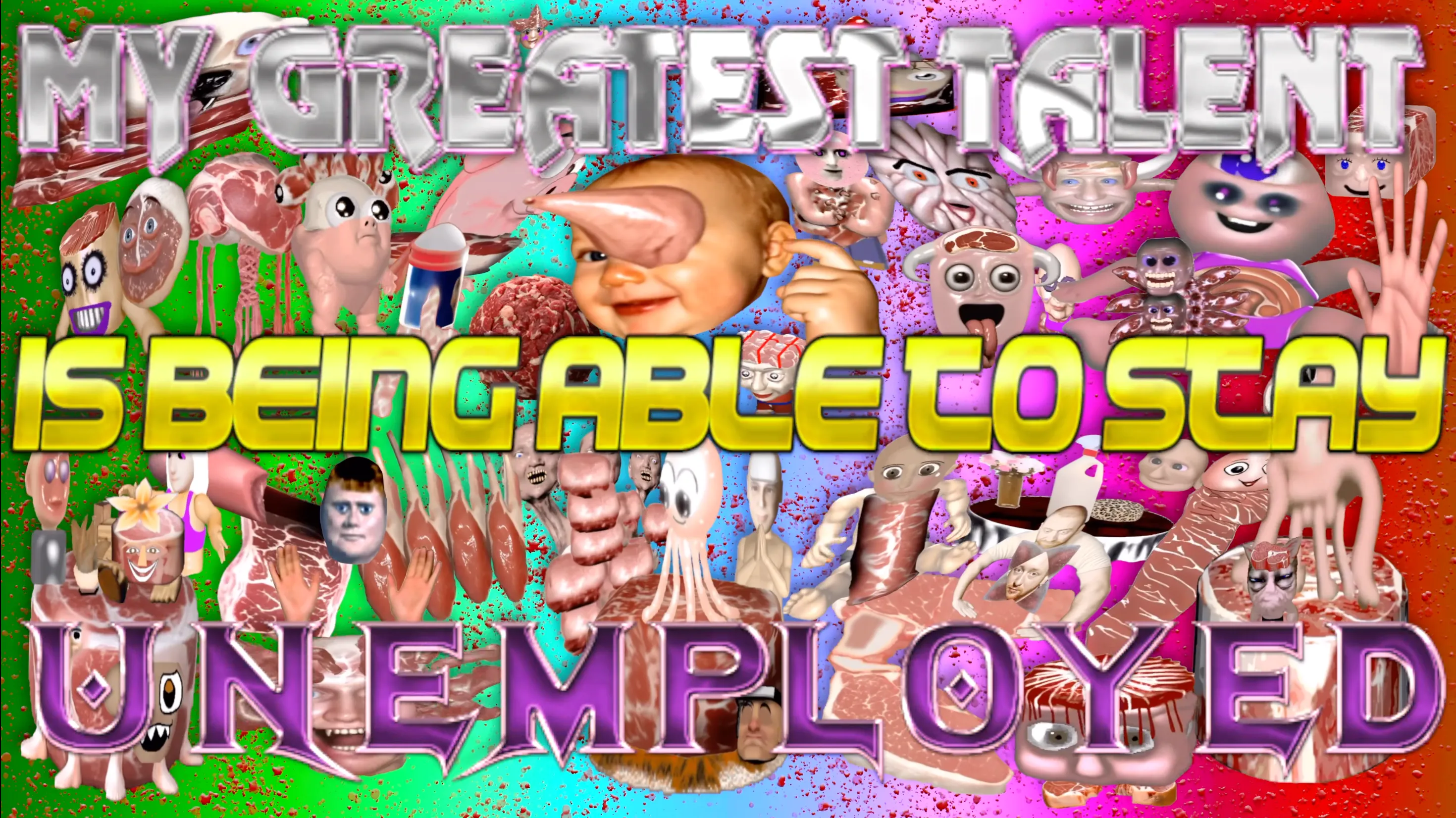
Combining simulated imagery with AI-generated sound, Heaney explores how the emerging power of quantum computation might influence the climate crisis—an inquiry grounded in academic research, conversations with quantum-climate specialists, and her own informed speculations on the radical potentials of quantum technologies. A giant tentacled creature, drawn from Heaney’s watercolour paintings, drifts throughout the scenes. It operates as a self-portrait that embodies humanity’s monstrosity while simultaneously invoking cephalopods, whose decentralised brains and alternative sensory architectures gesture toward non-human ways of knowing. Around this figure, polluted waters reminiscent of lithium-mining sites, toxic fumes, and black viscous substances point toward Big Tech’s current trajectory: an attempt to harness quantum power to expand today’s extractive capitalist regime.
The video takes the form of a non-linear narrative in which many possibilities coexist. Heaney’s pioneering quantum video-editing technique layers perspectives, allowing them to collide, dissolve, and reconfigure, suggesting that alternative paradigms may yet emerge. Working with the pluralities and entanglements inherent in quantum computation as a medium, the work offers a conceptual escape from a doomed evolutionary path by embodying the circular and non-linear temporalities of quantum physics. Q is for Climate (?) ultimately asks us to reimagine our systems by envisioning unexpected, entangled collaborations. It poses two central questions: What if quantum ways of thinking and feeling could optimise for the planet and for people simultaneously? What if quantum helped us think like the climate itself?
View series