Verse
Releases Marketplace ArtistsGalleriesJournal

Subscribe to get the latest on 
artists, exhibitions and more.
Verse
  • Explore
  • Releases
  • Artists
  • Galleries
  • Help Center
  • Work with us
  • For Galleries
  • For Artists
  • For Charities
  • White Labeling
  • Artist Docs
  • Company
  • About
  • Team
  • Curatorial Board
  • Contact
Join the discussion on Discord
  • © Verse 2026
  • Terms
  • Privacy
LiveUpcoming
JAN 22
Human Resources
OPEN
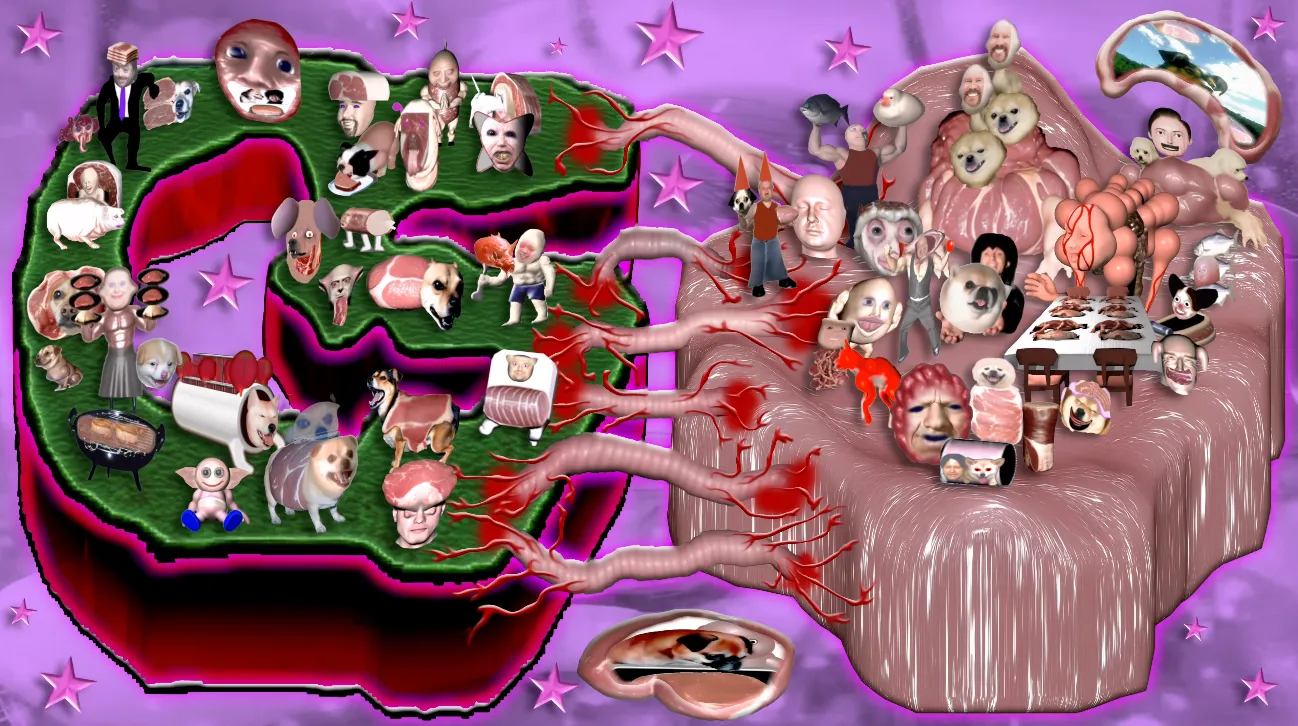
Tabor Robak
Human Resources
1000 artworks
SOLOS
Welcome to the company.
View series
JAN 16
Koala Noosphere
OPEN
Rhea Myers
Koala Noosphere
111 artworks
SOLOS
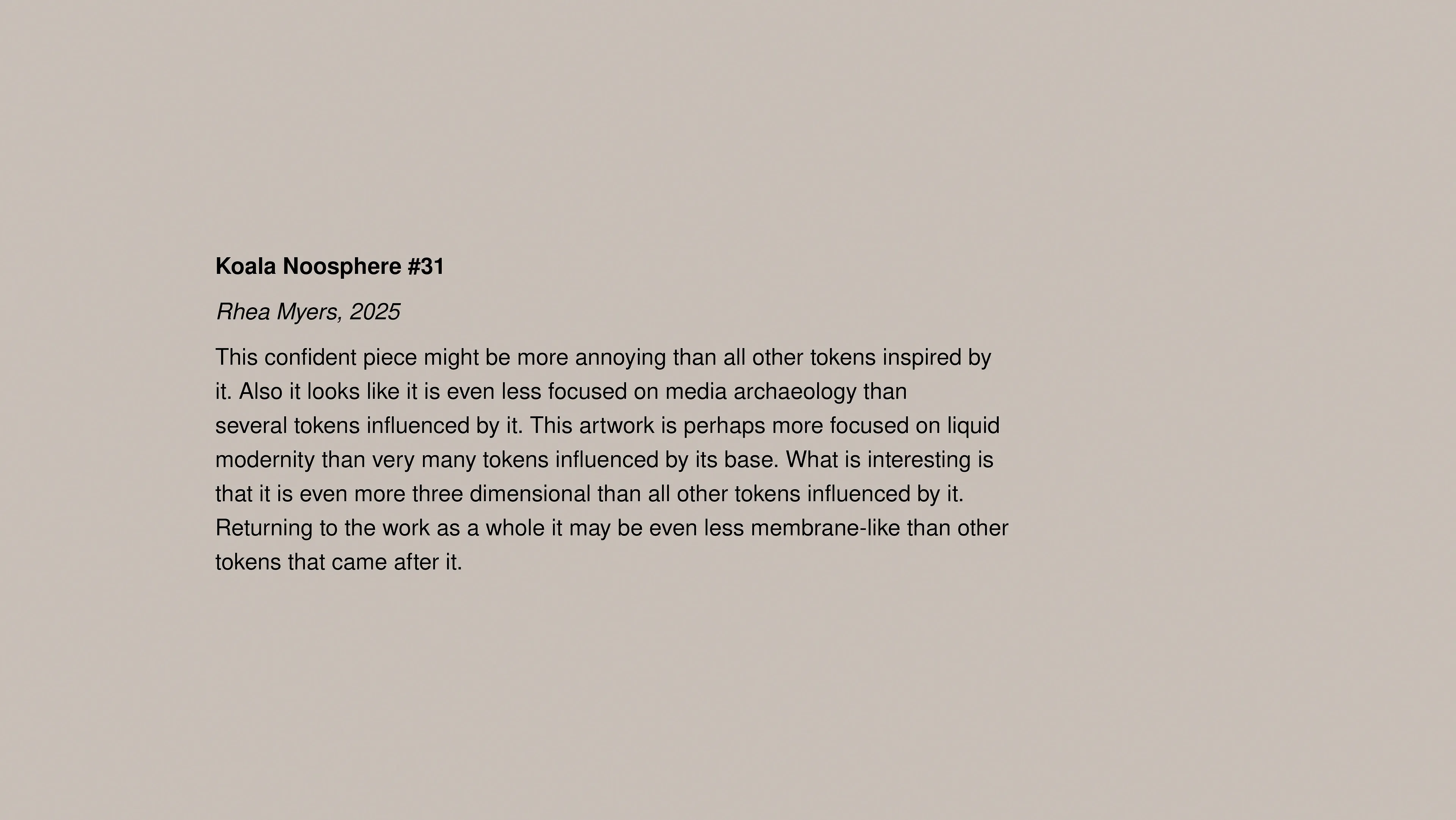
Koala Noosphere is a series of NFTs presented as museum-style placards. Each token stores a textual description in its metadata and renders that text as an image. The descriptions characterise each imagined artwork only through its resemblance to, or difference from, other entries in the series, whether or not those counterparts exist. The result is a set of wholly imaginary, relational works. Ownership pertains to the descriptive record rather than a visual object, and the experience of each piece remains comparative and provisional. The project uses ekphrasis to situate every item within a network of references that suggests knowability without resolving it.
View series
JAN 15
From Noise
Tyler Hobbs
From Noise
13 artworks
SOLOS
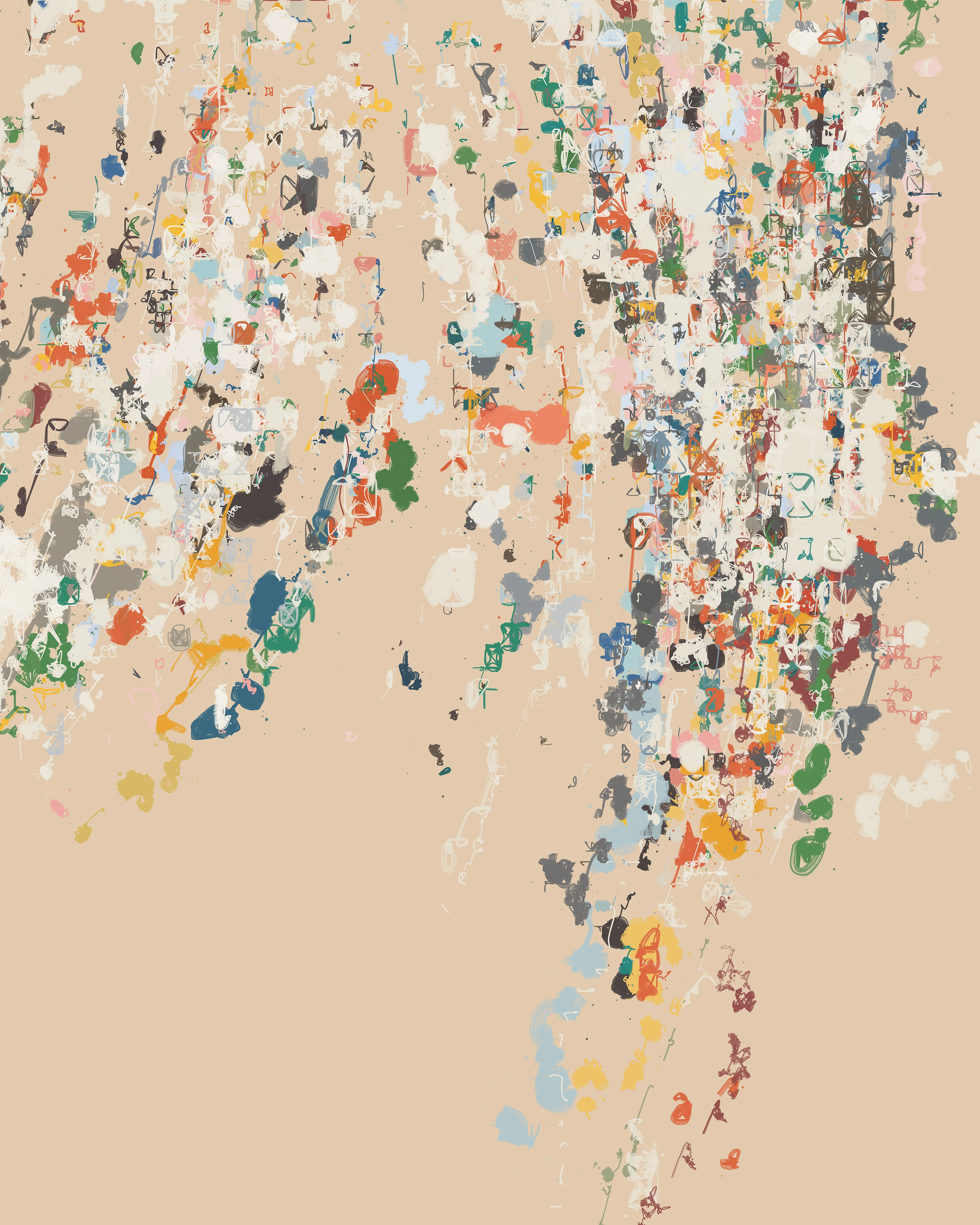
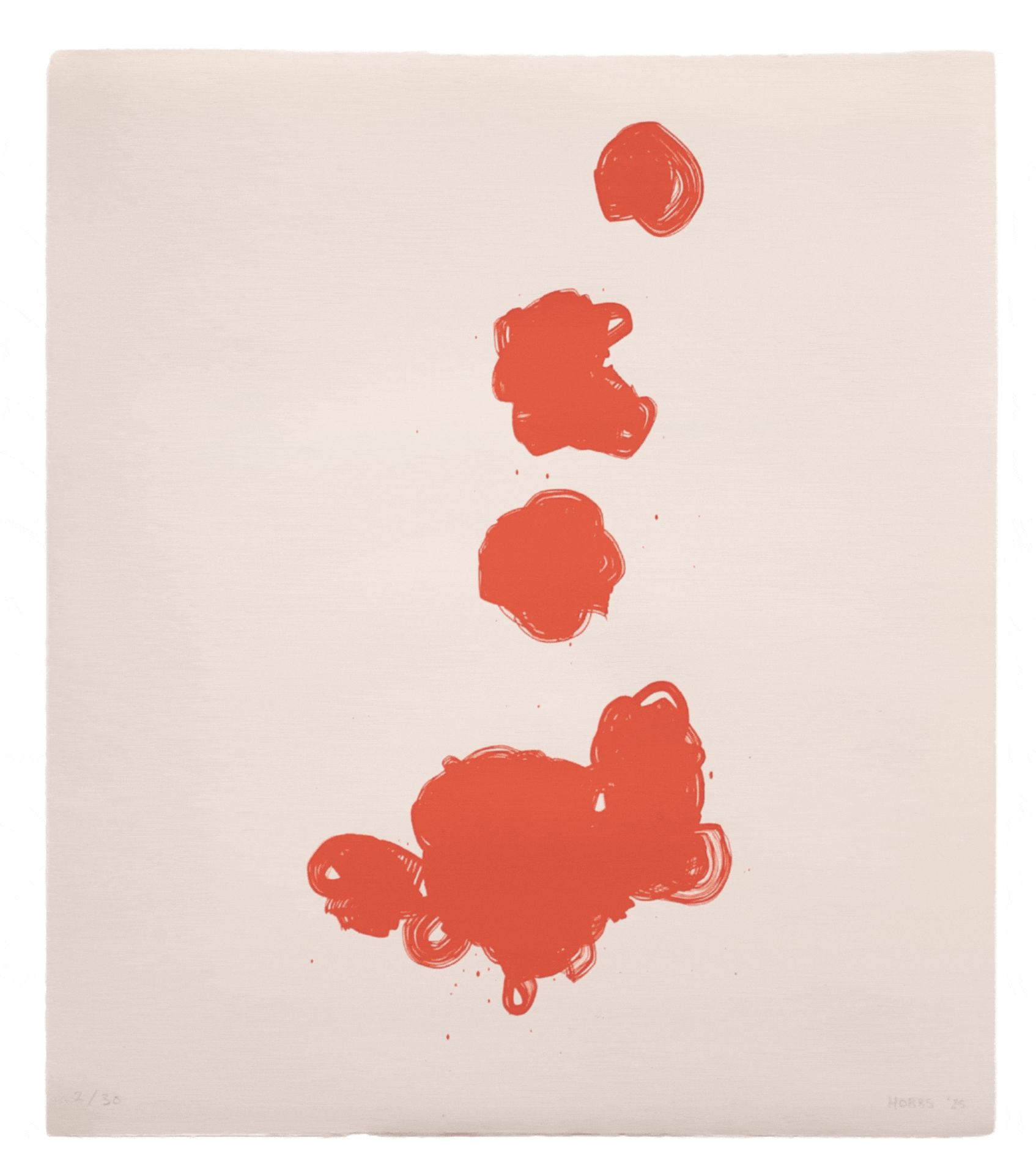
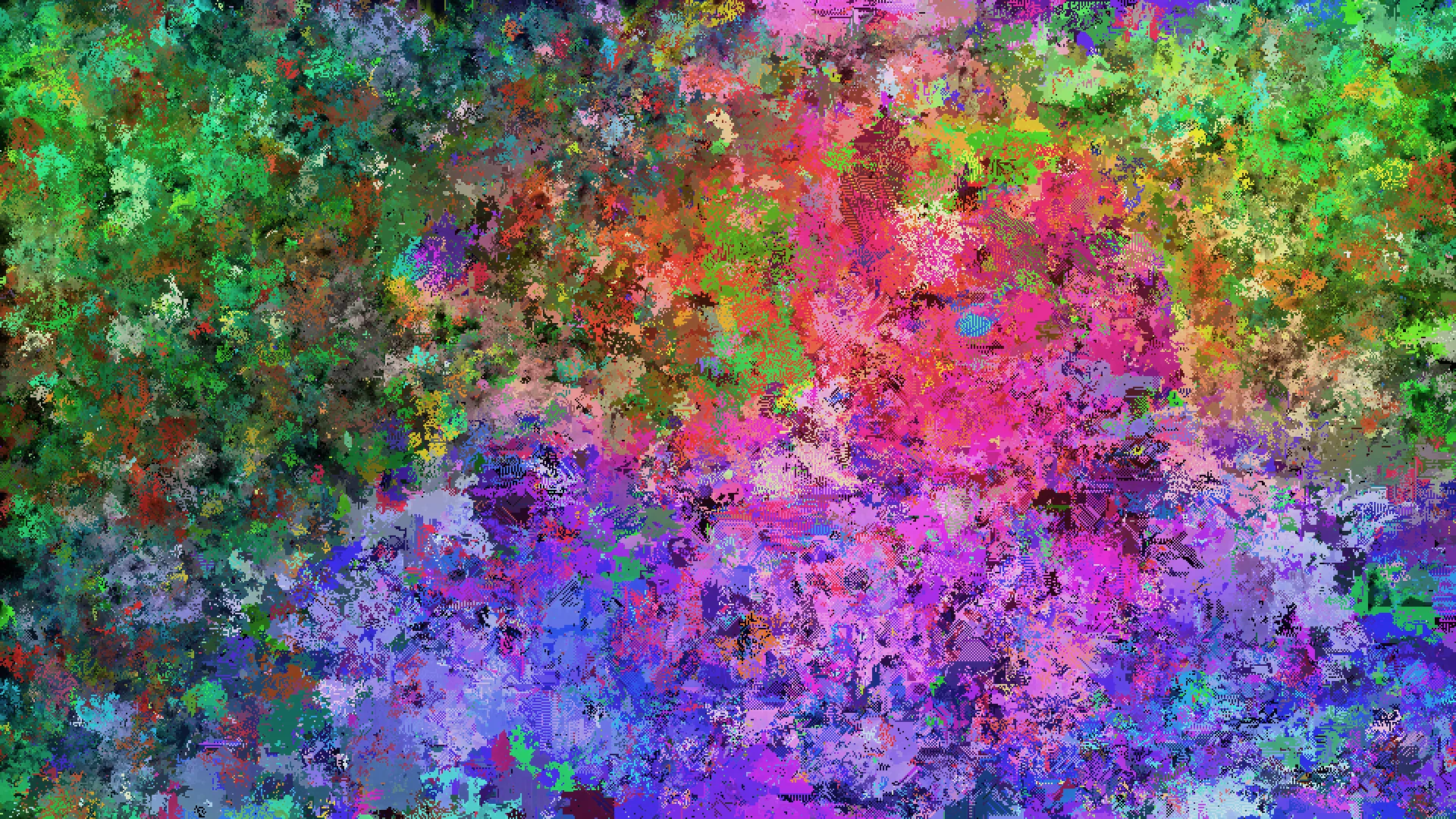
From Noise is a series of 12 unique works (and one AP) from a single core generative algorithm, created by Tyler Hobbs in 2025. From Noise explores the translated gesture: extracting the essence of expressive mark-making found in gestural painting and translating it into the computer environment.
View series
DEC 22
Errorady
Serezha Galkin
Errorady
15 editions
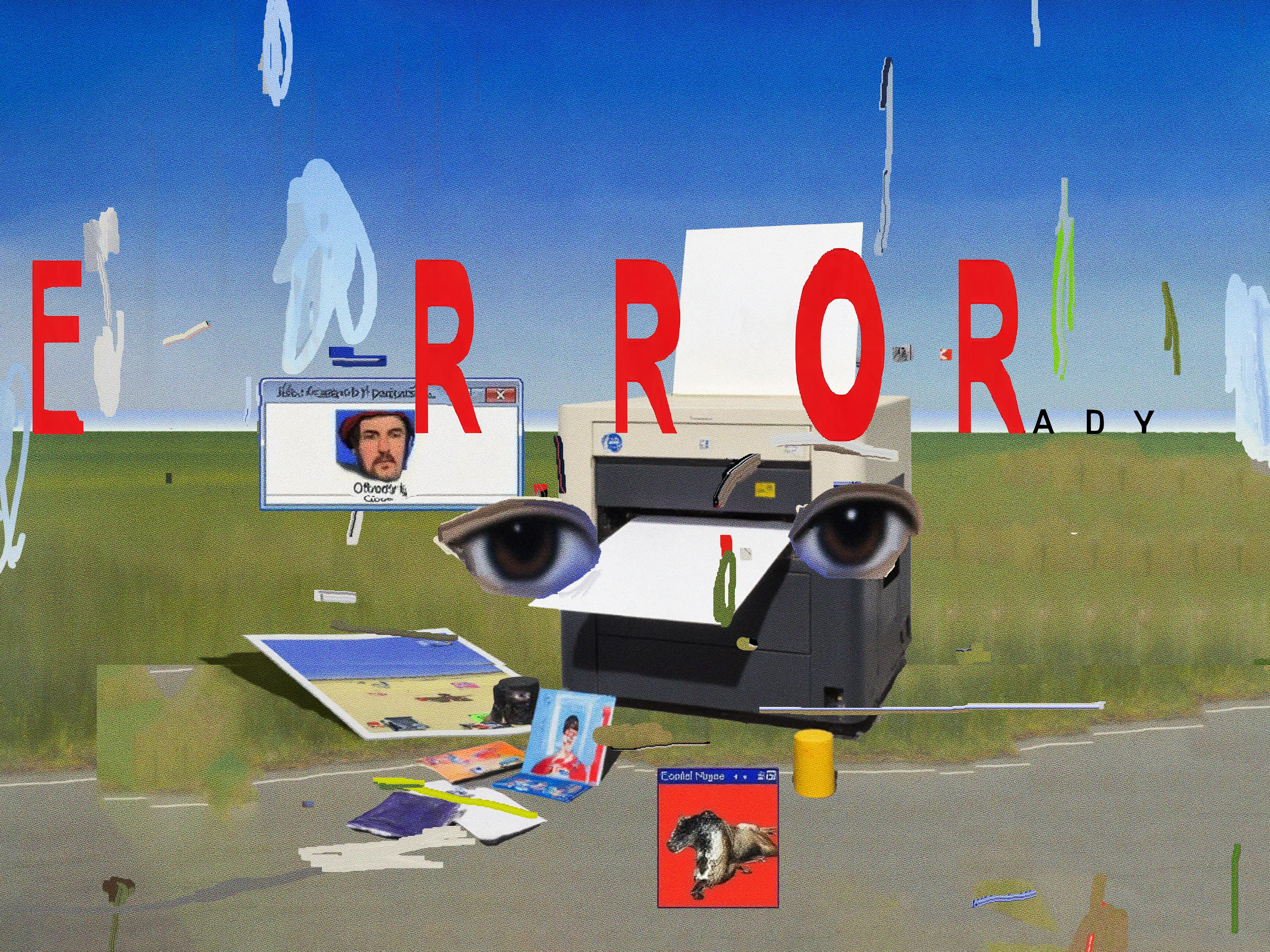
Errorady is a spin-off from the Milady lineage, but it deliberately steps away from portrait-based character work. Instead, it treats character as structure, behavior, and failure rather than face. The project is built around the idea of error as identity. Mistakes, glitches, and faulty outcomes are not flaws to be corrected but features that define both art and life. These imperfections give work its flavor. They introduce deviation, tension, and the possibility for something new to emerge. Error is treated as a creative force rather than a malfunction. The collection is a long-form generative work, built from a personal, hand-crafted library of digital elements. These elements are combined through a p5.js system that acts as a generative mechanism, allowing errors to surface naturally through interaction, layering, and constraint. At its core, Errorady uses glitches as metaphor and language. It builds lore through repetition, minimal distortion, and recurring visual mistakes that have followed my work over time. The errors become symbols, memories, and signatures. Not something to fix, but something to recognize, carry, and build upon.
View series
soft continuum 2
OPEN
MCHX
soft continuum 2
17 artworks
Artie Galerie
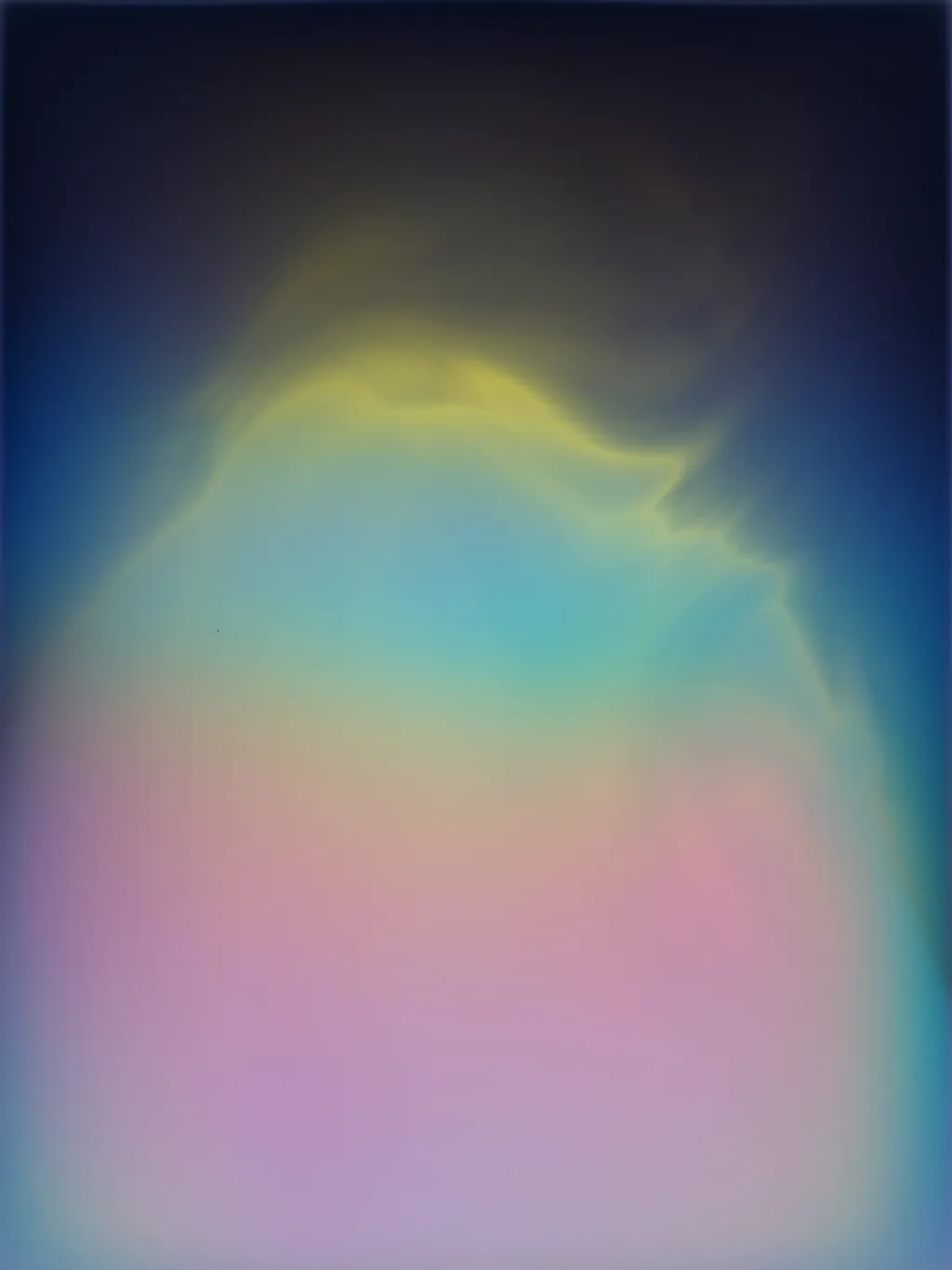
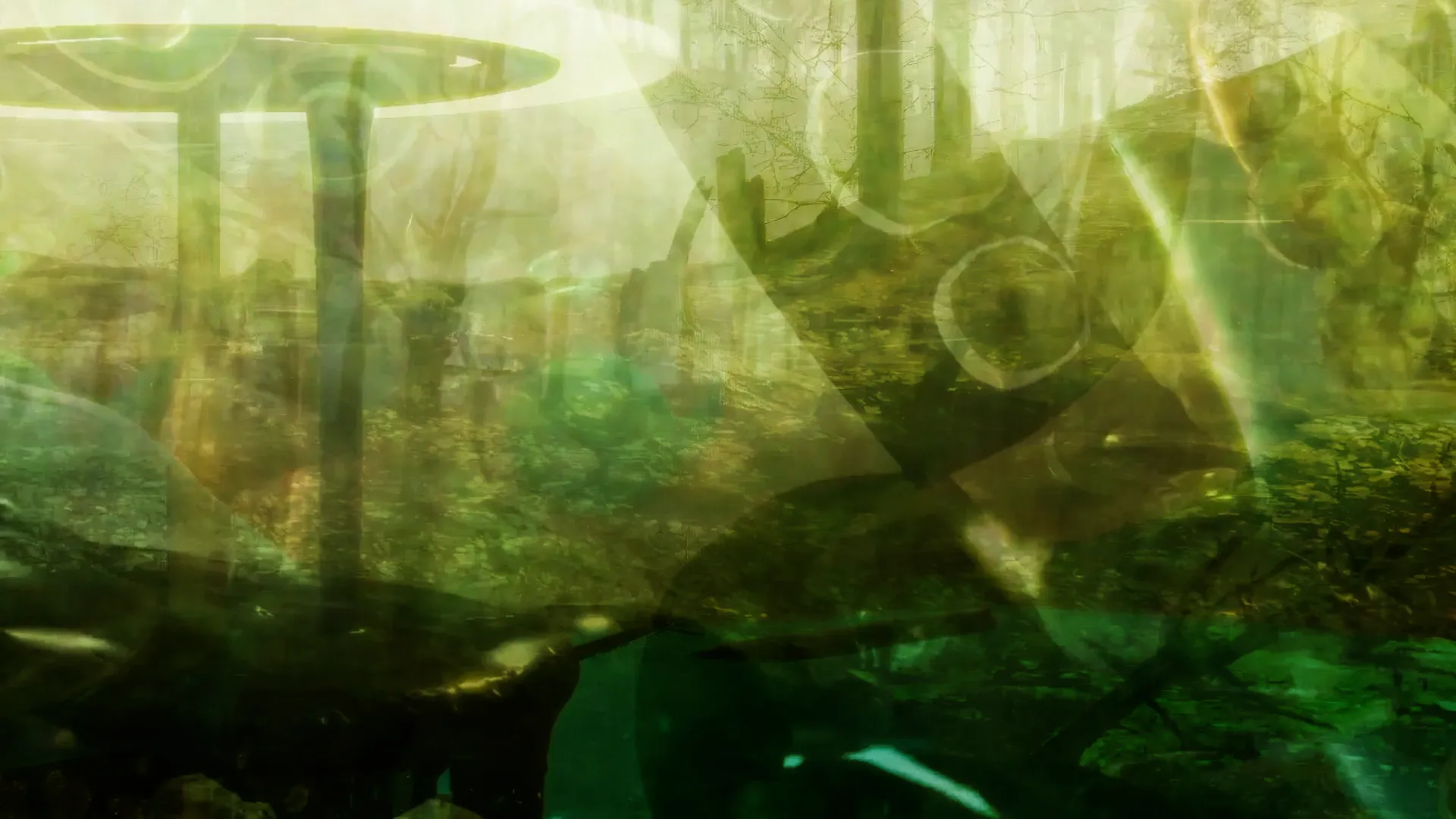
Static and living collide,  A night inside the mind.  An infinite curve unfolding,  Color finds depth in the dark.
View series
DEC 17
sunflower crisis ocean angel a sunken ditch
Petra Cortright
sunflower crisis ocean angel a sunken ditch
3 artworks
SOLOS
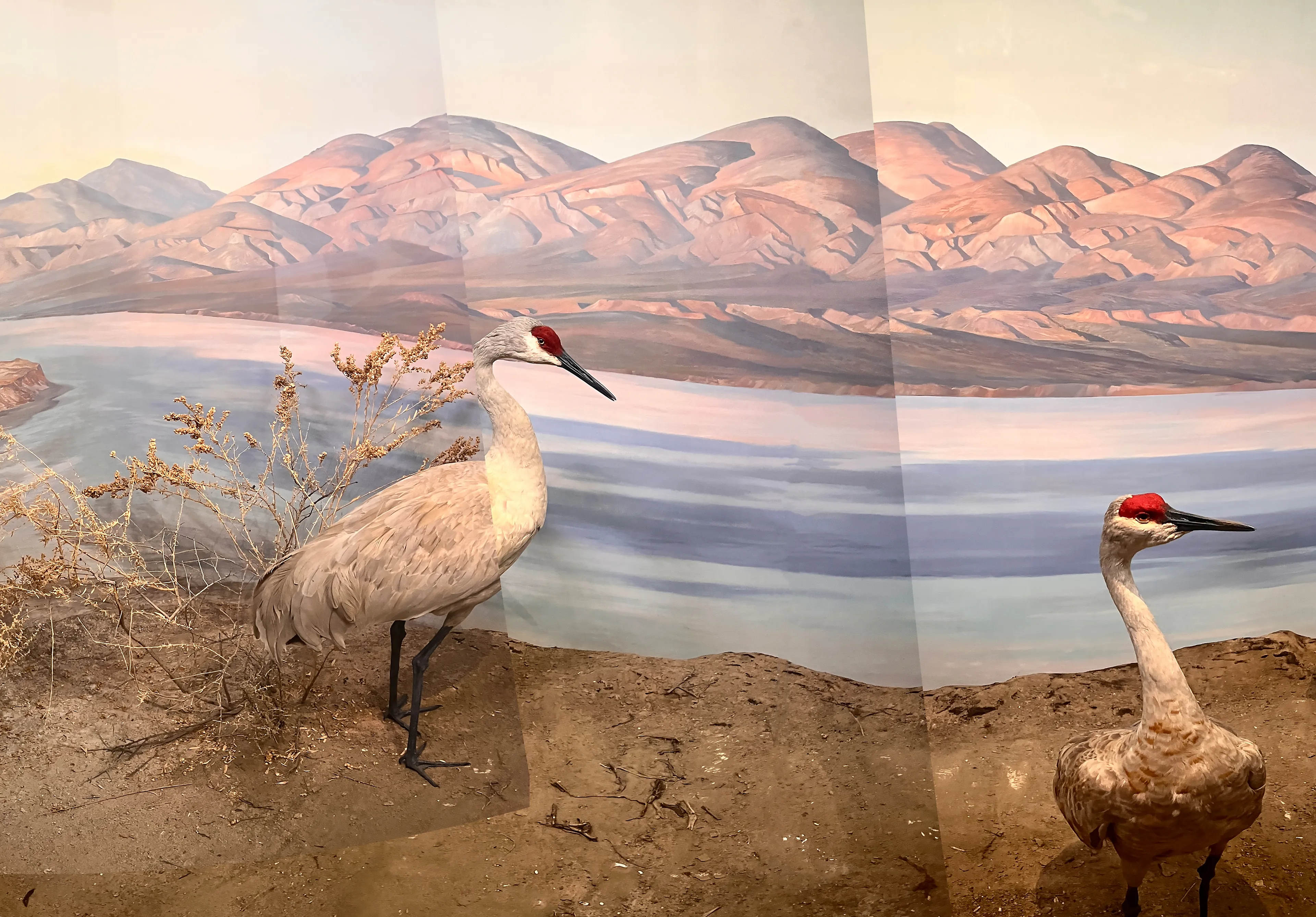
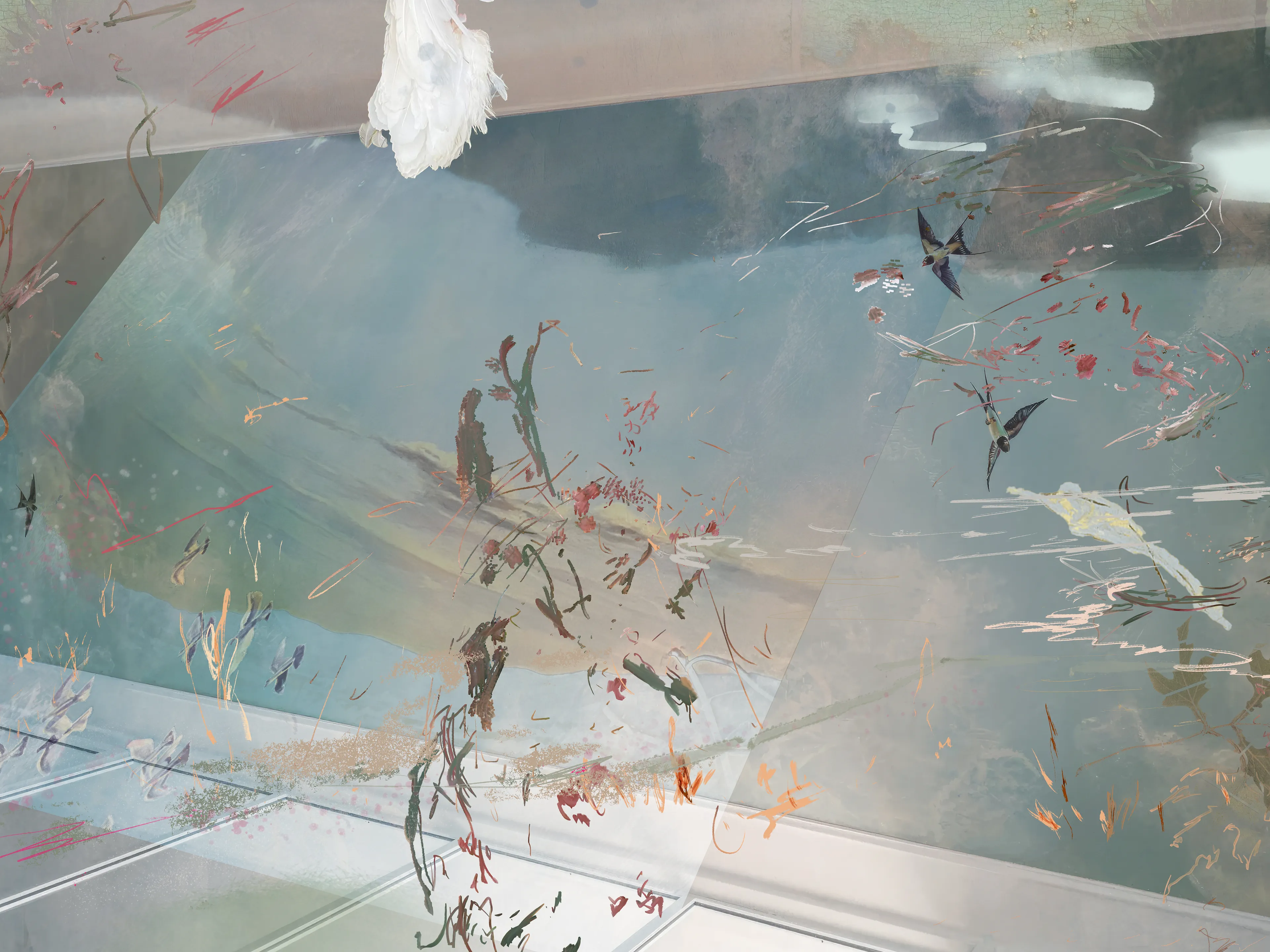
These personal paintings explore grief, change, nostalgia, and anxiety, reflecting Cortright’s shift from sourcing images online to photographing her surroundings. Drawing from dioramas at the Santa Barbara Museum of Natural History, the work reconfigures plein-air and Californian Impressionist traditions within a post-digital context, shaped by her relationship to her hometown of Santa Barbara.
View series
Translated Gestures
Tyler Hobbs
Translated Gestures
15 editions
SOLOS
Translated Gestures is a generative algorithmic series of six unique works, produced as monochrome limited edition screen prints on stonehenge paper, housed in a clothbound folio. The limited edition set is a companion piece to From Noise, as it extracts and highlights unique gestures from the more densely chaotic body of work and asks the viewer consider spontaneity, what it means, why we might value it, and if it needs to be tied to the body and the physical world.
View series
DEC 16
Water Studies
qubibi
Water Studies
30 artworks
Artist Rooms
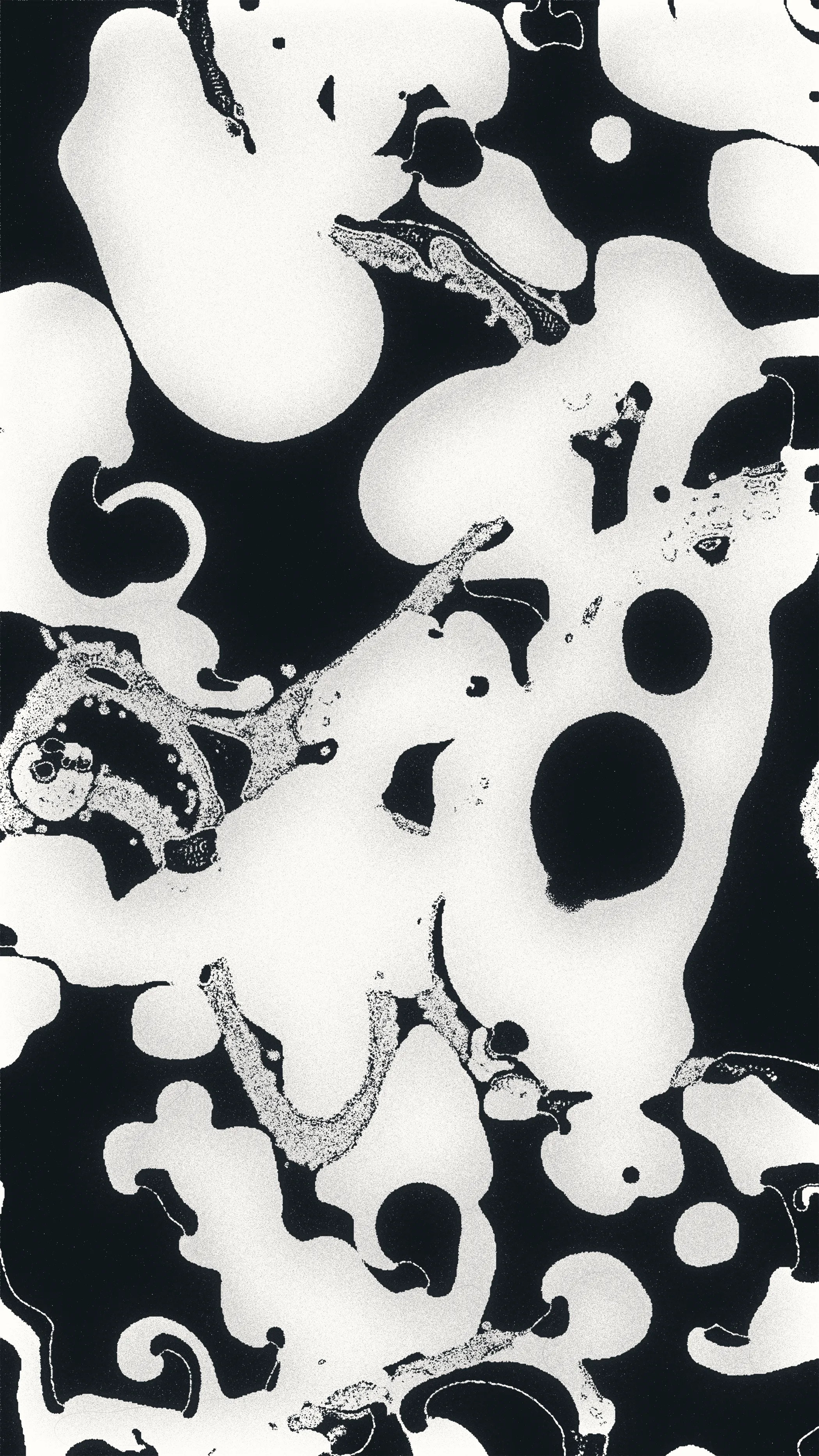
This summer, a commissioned project led me to revisit hello world, a generative artwork I released in 2010. It draws out and intermingles RGBCMYWB, every color that constitutes a digital image, and sets them in motion. Because every color is constantly transforming, there is almost no stable form to speak of in the work; everything is melting, soft. Around the same time, I rediscovered Aubrey Beardsley, whose work I love. I originally discovered a collection of his work at a bookstore when I was a teenager. The contrast between jet-black ink and pure white space was striking, and the subjects themselves were exquisitely detailed, often erotic. I happened to learn of a Beardsley exhibition in Tokyo this year and went to see it. Beardsley depicts a representational world rendered in black and white: sharp and hard with a sense of solid mass and the rugged weight of physical matter. Having received this fresh baptism of Beardsley, I began experimenting: what if I split the rainbow-hued, fluffy colors of hello world into just two, black and white? This meant forcing every color to “choose” a side. Red: black or white? Green: black or white? Through this process, the entire composition transforms dramatically. Perhaps this is what it means to sort things once and for all. The black-and-white worlds that emerged were often frightening. Grotesque, even. Some were too disturbing to show anyone. It is strange how the representational world becomes so mysterious and sensual when rendered in monochrome, yet the abstract world can become frightening. I find this curious. Left alone, they would remain frightening. There is nothing wrong with that, but it felt too easy. This reminded me: as a teenager, I worked with microscope photographs. Watching creatures shimmer in a single drop of water is beautiful. In reality, they glitter as they ceaselessly devour one another. The same happens in the ocean. Everything grotesque that occurs beneath the sea is beautiful. With these thoughts in mind, I turned back to the monochrome world. What had felt like a gaping black void suddenly became "water." Could this eye-like shape actually be a flounder? A crab? Could this cluster of granules be a coral reef? The motif stays the same, but a change in perspective alters the entire landscape behind it. It may sound simple, yet the scene becomes something entirely different. From that point on, I acquired a new "eye" — the world of water — and spent some time exploring various outputs through that lens. This series presents 30 works carefully selected from that exploration. I have titled this series 水図: Water Studies. In Japanese, it is pronounced MIZU-ZU. Any resemblance to MIMIZU — “earthworm” — is coincidental.
View series
DEC 12
point forward
Canek Zapata
point forward
72 artworks
Artie Galerie
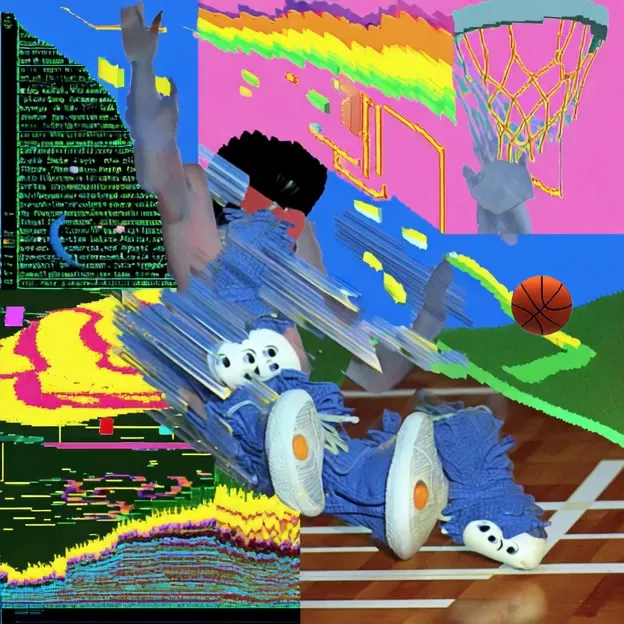
Trying to teach the machine what basketball is becomes a recursive impossibility, because every dribble carries more variables than the system can quantify and every jump resolves into data only after the magic has evaporated. I tell the computer that the sport is a mixture of torque, timing, rhythm, intention, and childhood mythology, and it answers with vectors and velocity tables that fail to understand why my heart accelerated the first time I saw MJ retire when I was only eight. I tell it that I became a fan of a duo in Orlando not because their statistics aligned but because their movements felt like the closest thing to flight I had ever seen. I tell it that I dreamed of playing basketball all the time, rehearsing crossovers in the air before sleeping, mapping imaginary courts in my room, but the machine keeps asking for coordinates, trajectories, quantifiable mechanics. I try to explain that the dream is the part it cannot compute, that the court becomes a place where data and desire collide, and that the beauty of the game lives precisely within what cannot be reduced to instructions. Canek Zapata
View series
Appropriate Response: Art Basel Miami Beach 2025
Mario Klingemann
Appropriate Response: Art Basel Miami Beach 2025
102 artworks
Onkaos
How much meaning can be expressed in just 120 letters? This is the question addressed by Appropriate Response, the interactive work by Mario Klingemann. Inspired by the power of words, especially in the condensed format of aphorisms or quotes, this piece reflects on meaning, expectation and our relationship with artificial intelligence.
View series
DEC 11
Latent Dispatch: Studies
Matt DesLauriers
Latent Dispatch: Studies
5 artworks
NEORT++
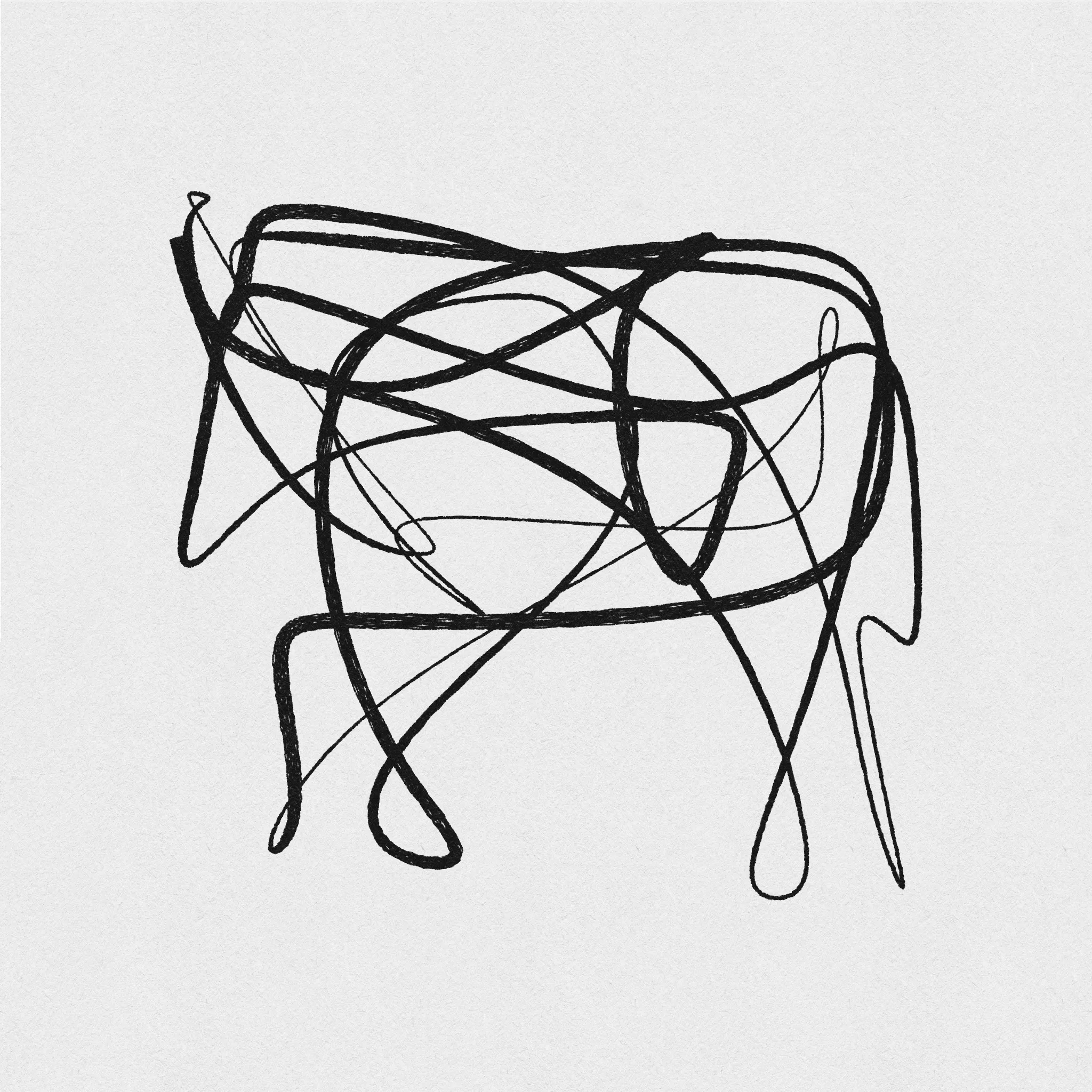
Latent Dispatch is a research project that stages a conversation between machine precision and human imagination, inviting audiences to engage with the algorithmic process in person. Given a set of prompts, a novel machine learning system constructs single-line drawings that gravitate towards statistical averages learned from vast amounts of training data. These mechanical, precise plotter drawings are juxtaposed with the diverse and often playful doodles contributed by passing audience members, revealing a tension between the machine’s pursuit of a pure archetype and the human inclination towards endless variation. Latent Dispatch was first displayed by NEORT++ in Tokyo, in December, 2025. This collection of 5 images is offered as a study—a selection of outputs that mark the research to date, and serve as a digital counterpart to the machine-plotted work.
View series
The City of Gold
OPEN
Deborah Tchoudjinoff
The City of Gold
NEORT++
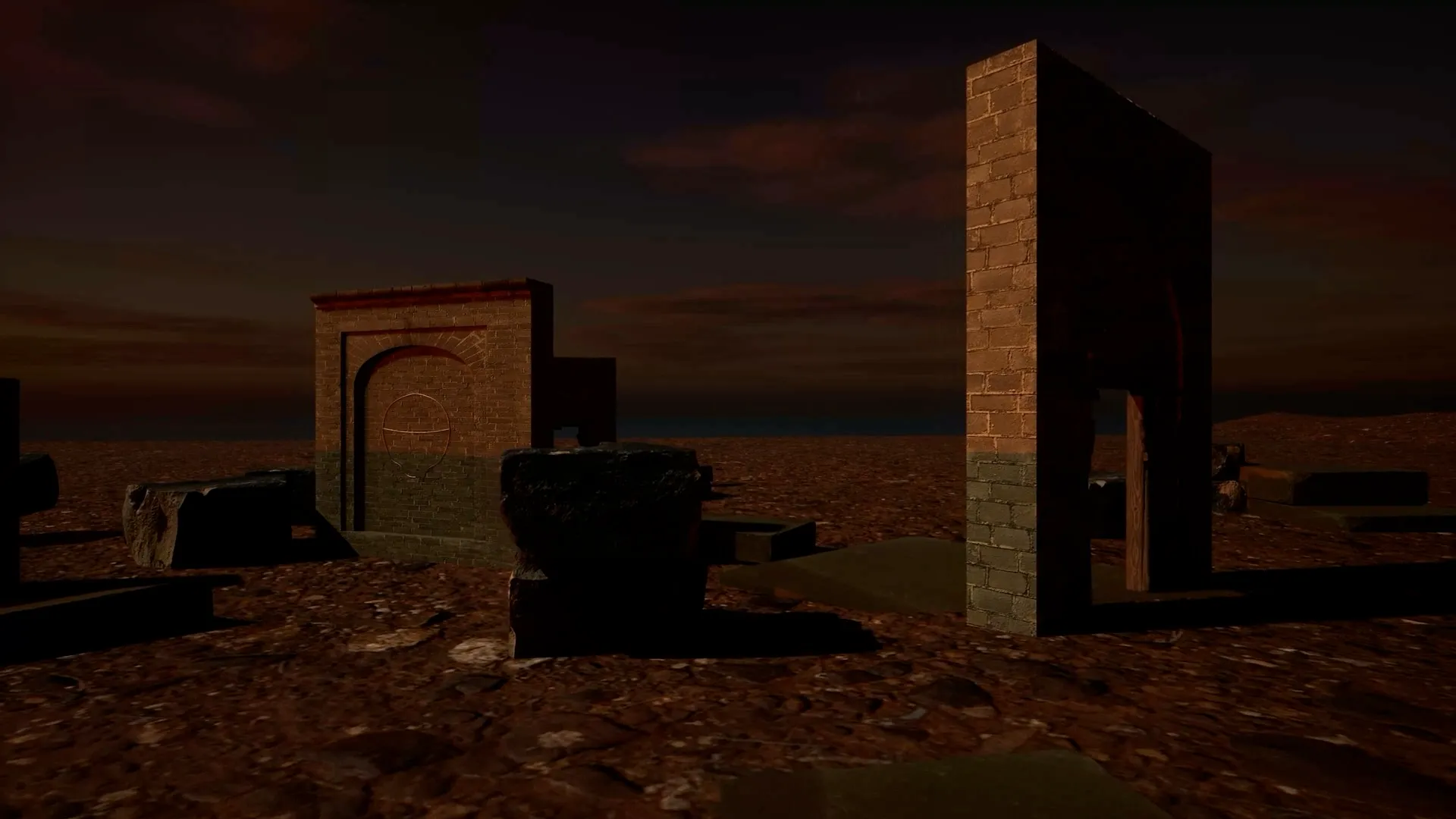
Research about past supercontinents associated to a geological era gives space in thinking about the formation of each natural resource in relationship to tectonic plates shifting. As each past super continent drifts, erupts, collides, separates it has created the minerals that give shape to the objects we make and use. Starting as a short fiction text Tchoudjinoff began to form an imagined world of cities in a future Amasia. The two presented at Neort include cities named after minerals that are heavily sought – gold and coal. In a world where these natural resources are no longer; what would it look like and who would be the inhabitants? The City of Gold imagines a current desert in Amasia next to a body of ocean instead. The City of Coal alludes to regenerative tactics of desertification.
View series
21.000
Yoshi Sodeoka
21.000
Unique
NEORT++
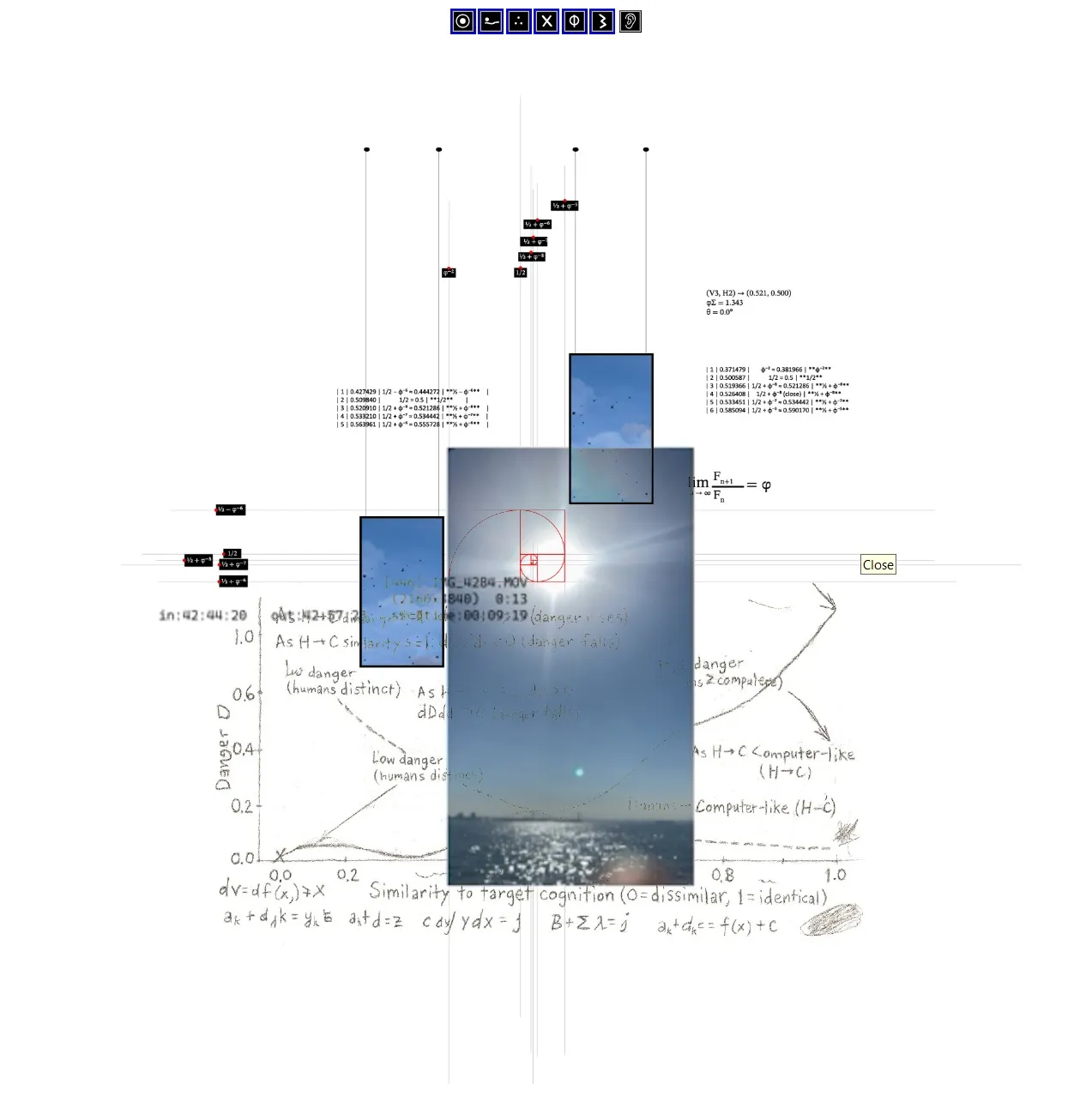
21.000 brings the layered workflow of my digital production into physical space. A decade of sun footage, always centered in the frame, is projected onto a wall marked with a golden ratio grid and mathematical notes. These precise lines mix with loose hand-drawn marks that feel casual and graffiti-like. The geometry and the drawing overlap and create a quiet tension between calculation and improvisation. Moving images of sky and birds appear on separate digital surfaces in the room and form a scattered multi-layered field of imagery. Each element holds its own presence while still contributing to one continuous environment where measured systems, observational footage and spontaneous drawing meet. The installation reveals the types of layers that usually remain hidden inside a screen. Calculations, sketches, notes and moving images exist together in the same physical space. 21.000 becomes a place where natural cycles, digital tools and personal gestures share one open composition.
View series
The City of Coal
OPEN
Deborah Tchoudjinoff
The City of Coal
NEORT++
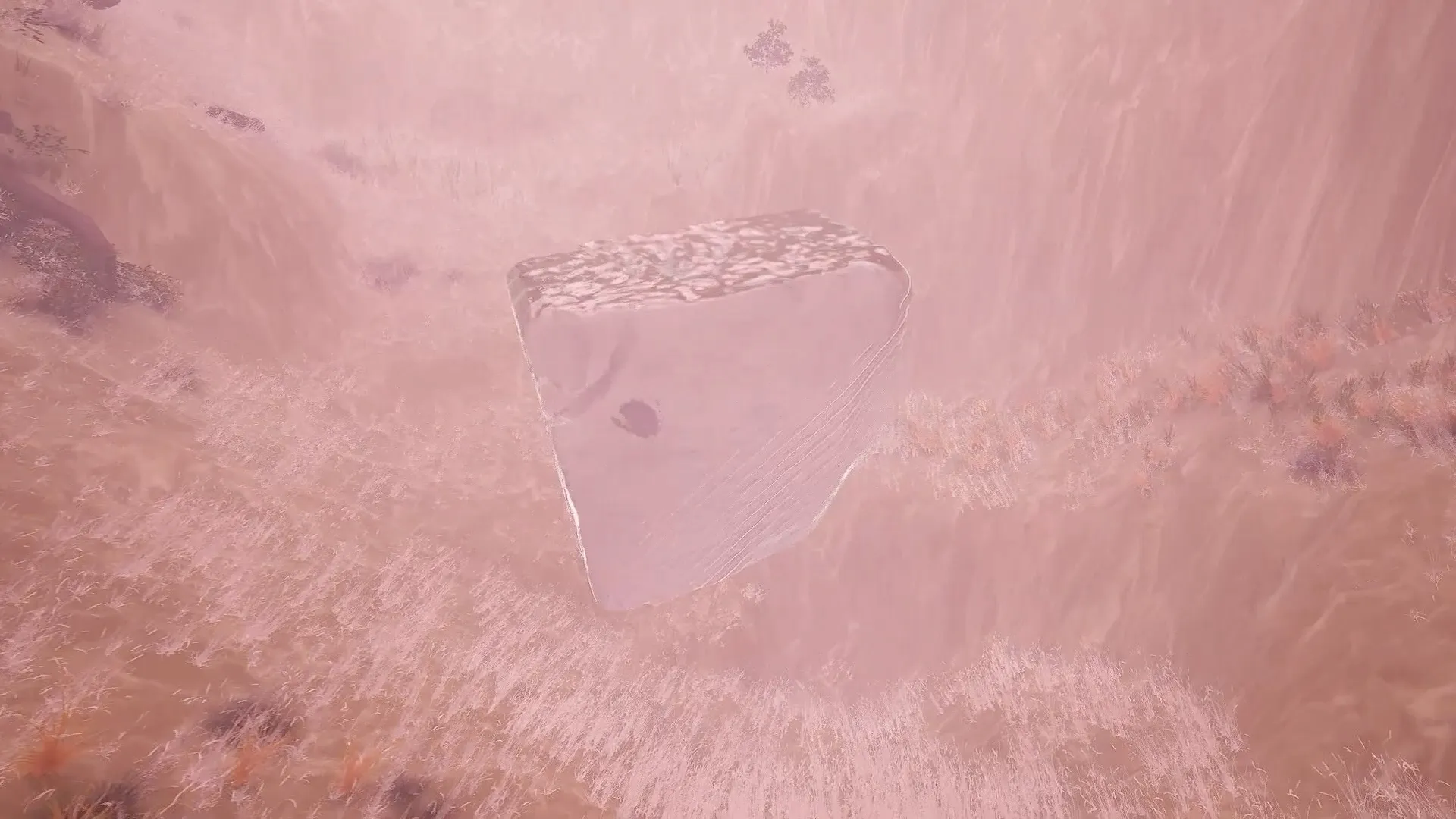
Research about past supercontinents associated to a geological era gives space in thinking about the formation of each natural resource in relationship to tectonic plates shifting. As each past super continent drifts, erupts, collides, separates it has created the minerals that give shape to the objects we make and use. Starting as a short fiction text Tchoudjinoff began to form an imagined world of cities in a future Amasia. The two presented at Neort include cities named after minerals that are heavily sought – gold and coal. In a world where these natural resources are no longer; what would it look like and who would be the inhabitants? The City of Gold imagines a current desert in Amasia next to a body of ocean instead. The City of Coal alludes to regenerative tactics of desertification.
View series
Qlimates(2025)
OPEN
Libby Heaney
Qlimates(2025)
3 editions
NEORT++
Qlimates is a video work in which both moving image and sound are processed through Libby Heaney’s bespoke non-binary quantum computing code. Through this framework, the piece superposes a quantum-informed, relational understanding of ecology with the linear modes of extraction that shape carbon- and oil-based economies as well as our rapidly electrifying world. Combining simulated imagery with AI-generated sound, Heaney explores how the emerging power of quantum computation might influence the climate crisis—an inquiry grounded in academic research, conversations with quantum-climate specialists, and her own informed speculations on the radical potentials of quantum technologies. A giant tentacled creature, drawn from Heaney’s watercolour paintings, drifts throughout the scenes. It operates as a self-portrait that embodies humanity’s monstrosity while simultaneously invoking cephalopods, whose decentralised brains and alternative sensory architectures gesture toward non-human ways of knowing. Around this figure, polluted waters reminiscent of lithium-mining sites, toxic fumes, and black viscous substances point toward Big Tech’s current trajectory: an attempt to harness quantum power to expand today’s extractive capitalist regime. The video takes the form of a non-linear narrative in which many possibilities coexist. Heaney’s pioneering quantum video-editing technique layers perspectives, allowing them to collide, dissolve, and reconfigure, suggesting that alternative paradigms may yet emerge. Working with the pluralities and entanglements inherent in quantum computation as a medium, the work offers a conceptual escape from a doomed evolutionary path by embodying the circular and non-linear temporalities of quantum physics. Q is for Climate (?) ultimately asks us to reimagine our systems by envisioning unexpected, entangled collaborations. It poses two central questions: What if quantum ways of thinking and feeling could optimise for the planet and for people simultaneously? What if quantum helped us think like the climate itself?
View series
Mutual Field
Kazuhiro Tanimoto
Mutual Field
Unique
NEORT++
This work generatively unfolds complex interactions that emerge from the intersection of various artificial and natural media on a custom-developed cellular automaton. A cellular automaton divides the screen into numerous cells (unit regions), each of which updates its state according to specific rules—a process that, in this work, occurs in real time. Multiple colors corresponding to different “species” appear on the screen, each proliferating, coexisting, and being eliminated according to diverse rule sets. Furthermore, the piece incorporates a mechanism that detects the level of human activity in its surrounding environment and dynamically reflects this data in the parameters of the cellular automaton. Through the overlapping interactions among artificial and natural systems—regardless of whether they are within the same domain or across domains—the work generates an autonomous and ever-changing dynamic as a whole.
View series
DEC 10
Ad Space
Mika Ben Amar
Ad Space
111 artworks
SOLOS
Ad Space is a collection of 111 found compositions using a chrome extension Mika built, which removes all the content of a website leaving only the ads. As part of her ongoing exploration of the systems behind personalized ads, Mika uses her chrome extension to unlock a browser experience that is 100% personalized for the user. Each composition reveals the infrastructure we rarely see.  Behind every personalized ad placement, AI systems and targeting algorithms process our browsing patterns, search history and online behaviors to build profiles and predict our interests. By removing everything else, the work reveals what sustains the "free and open" internet.  Our private lives are converted into data, bought and sold for access to our attention.
View series
DEC 09
The Shape of Time
Pixel Symphony
The Shape of Time
149 artworks
Galerie Met
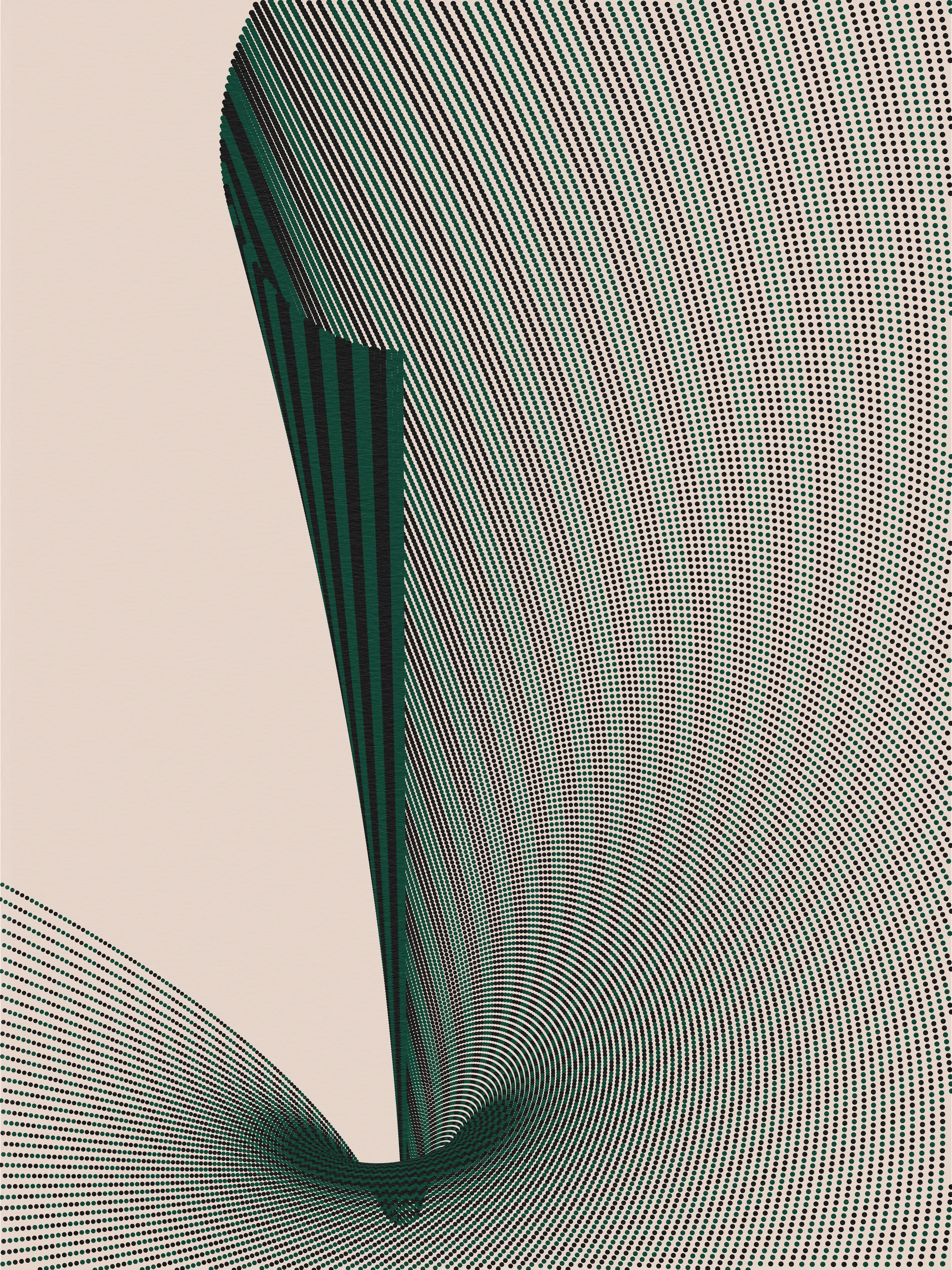
A point becomes a pattern; a pattern becomes a field; the field bends under its own logic. These drawings emerge from a continuous computation that treats geometry as a record of duration rather than a fixed form. Each plotted point carries spatial and temporal weight. Clusters form where the algorithm accelerates and pauses open where it slows, producing a field that behaves like spacetime under pressure. Density reads as mass. Curvature follows the distribution of events. What looks static is a trace of motion, a surface shaped by the accumulation of intervals. The sphere at the center is not drawn, it occurs. It marks equilibrium held under stress, shaped by the same concerns present throughout my work: recursion, repetition, and systems operating near the edge of order. Read through Buckminster Fuller’s lens of structure as a verb, these drawings treat geometry as process. The work echoes the idea that every form belongs to a sequence, that the meaning of an object lies in the intervals that precede and follow it. Time grants structure and not the other way around. The drawings take this seriously: they visualize the way form grows out of moments and how sequences become shape. Recursive rules guide each composition, translating change into curvature. Variations in density map temporal frequency in a way that parallels how physics ties geometry to energy. The algorithm becomes both instrument and witness, measuring the unfolding of its own field. The series is completely generative. Each version is produced with controlled randomness, open to chance and difference. The work is presented alongside pen plot drawings and archival prints, grounding an algorithmic process in physical material. Each piece becomes a moment in a longer continuum, a small part in the larger shape that time itself draws. The title carries a quiet reference to George Kubler’s 1962 book The Shape of Time, a text that considers how form unfolds through sequences and durations. Pixel Symphony
View series
DEC 04
In Essentially Almost All the Ways That Matter, I Am Still This Screaming Child
RJ
In Essentially Almost All the Ways That Matter, I Am Still This Screaming Child
3 artworks
Artie Galerie
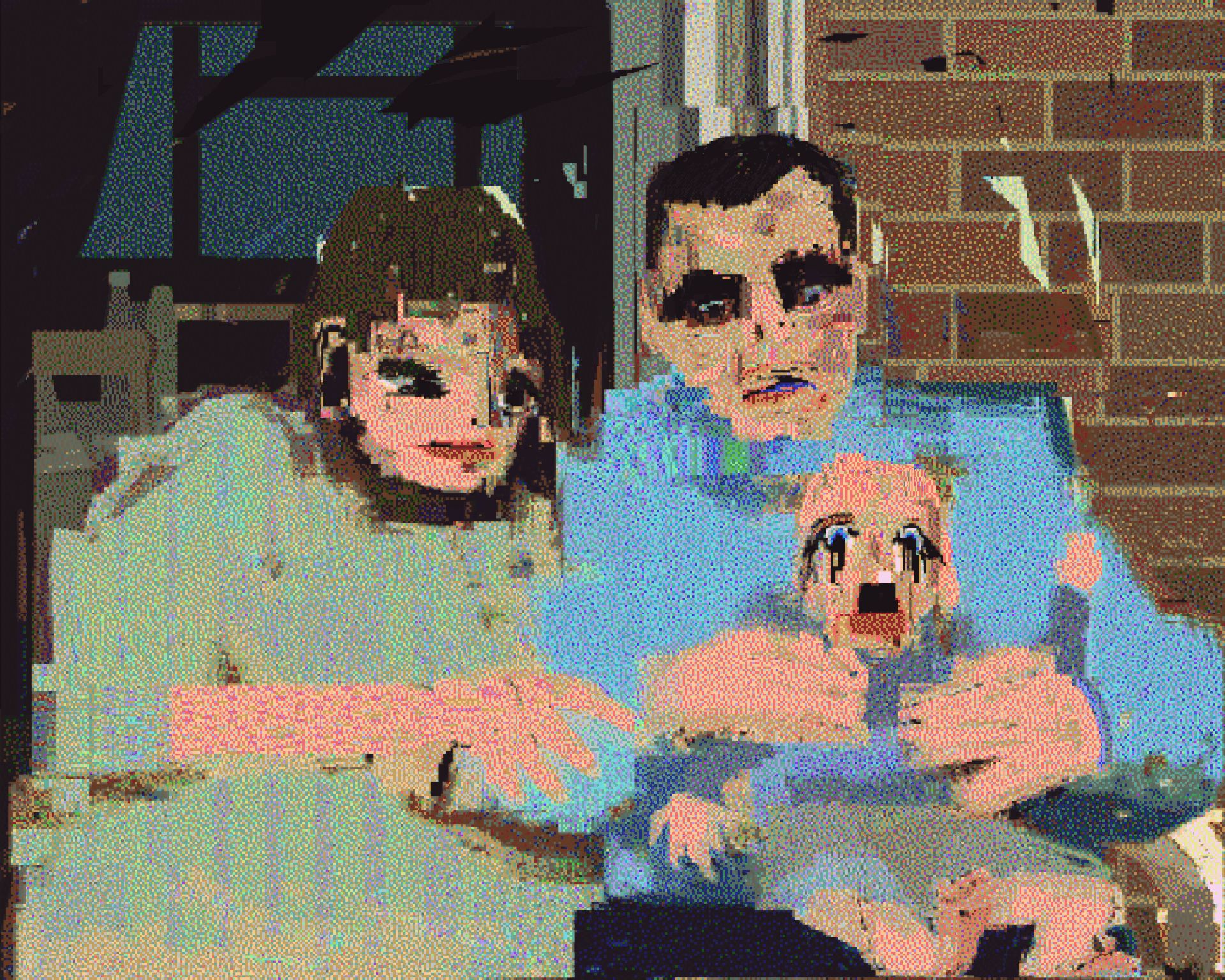
Drawing upon old family film photographs as source material, In Essentially Almost All the Ways presents three autobiographical digital paintings, reworked and disrupted through AI processing and dither cycling. Together, they capture moments of childhood distress and adult unease, challenging the conventions of the traditional family portrait while allowing the naïve visual style to echo the lingering presence of those formative emotional states.
View series
NOV 25
my greatest talent is being able to stay unemployed
OPEN
nohygiene
my greatest talent is being able to stay unemployed
25 artworks
Artie Galerie
My unemployment isn't a failure—it's an advanced spiritual practice. While you're attending meetings about meetings, I'm achieving enlightenment through strategic incompetence. I'm not trying to be profound. This exhibition isn’t a mirror, it’s a screen. You won’t see your reflection—you’ll see how the system sees you. The discomfort presented here is reality itself. They think I’m wasting my potential. They're wrong—I’m protecting it from them with the meticulous stealth of a professional ninja. My unemployment isn’t a gap in my résumé—it’s the entry tunnel to my escape route from the career industrial complex. Your discomfort is the first step toward freedom; so yes, the fact that you’re uncomfortable counts as a win for me. The system is broken, and the only sane response is to stop trying to fix it and start growing something new in its cracks like a rebellious little flower. Or better yet—do nothing at all and watch what kind of absurd surprises emerge from the silence. My references are entirely fictional. My skills are intentionally fossilized. My greatest achievement is these empty videos—so empty you could pitch a tent and camp inside them. Trust me.
View series
NOV 24
level 1️⃣
tinysoul
level 1️⃣
138 artworks
SOLOS
level 1️⃣ comprises a cast of absurd and surreal characters, that are drawn from the depths of internet culture and meme lore. These characters, though often humorous, are imbued with an eerie sense of depth, evoking the strange beauty found in Studio Ghibli's most peculiar stories. They exist in a world where nothing makes complete sense yet everything feels intimately relatable. Through the looping GIFs and fragmented visuals, tinysoul gives these figures life, turning fleeting internet memes into permanent characters with their own stories, struggles, and emotional arcs. In level 1️⃣, the absurdity of the digital realm comes alive in characters that oscillate between the hilarious and the haunting. They become scenes that feel like dreamlike, glitchy fragments of a larger narrative—where humor is twisted, and meaning is constantly evolving. Tinysoul invites us to engage with these figures, to see ourselves reflected in their pixelated oddities, and to find new interpretations in the strange, shared world they inhabit.
View series
NOV 21
BURNT UMBER BROKEN SILVER AMERICAN SPIRIT
Petra Cortright
BURNT UMBER BROKEN SILVER AMERICAN SPIRIT
59 artworks
SOLOS
Petra Cortright's digital paintings lie at the core of her practice, merging traditional artistic genres like landscapes with the fluid, ever-changing aesthetics of the digital age. Her latest series, BURNT UMBER BROKEN SILVER AMERICAN SPIRIT, exemplifies this fusion through uniquely created compositions. Drawing from the imagery of the American West, the works layer geometric shapes, doors, and abstract textures over richly coloured depictions of the landscape. The doors evoke a sense of transition, inviting viewers to step into portals that symbolize shifts between states of being or consciousness, much like her earlier Room series (2021). Cortright’s vibrant paintings are feasts of visual intricacies, where abstracted layers of texture suggest an interplay between natural and artificial elements. The juxtaposition of idyllic scenes and destructive forces, such as fires, serves as a metaphor for the polarizing aspects of life in America, evoking themes of freedom and conflict. This body of work challenges traditional boundaries, inviting viewers to reconsider what painting means in a digital age and to explore realms of imagination, fantasy, and introspection.
View series
NOV 17
Blorgg Honklorph Malfonxia
LoVid
Blorgg Honklorph Malfonxia
42 artworks
Artie Galerie
LoVid doesn’t fix error; they feed it. In the world of Blorgg Honklorph Malfonxia, chaos is not decay but pollination. The glitch is how life keeps going when systems crash. It is a garden of broken code, a mycelial chant for disorder, another scream in the chorus of BANGARANG.
View series
NOV 13
eRrOrLoOp
hAyDiRoKeT
eRrOrLoOp
18 artworks
Artie Galerie
Imagine a Rubik’s Cube took shrooms, had a meltdown, and started multiplying… Welcome to eRrOrLoOp. It looks like a game that forgot its own objective, laughing at itself while it melts and reassembles in the same breath, entire landscapes glitching, jittering, blooming, collapsing. The colors are LOUD, all fighting to the death for custody of your eyeballs. Neon greens scream at flaming pinks while blues try (and fail) to keep the peace. Every piece feels like a broken bonus level. Blocks stack into tiny cities, then explode into pixel confetti. It is dizzy, dirty, playful, a possessed nostalgia glitching so hard it becomes something new. Rumor has it Q\*bert is backstage, swearing in symbols, refusing to come out until the cubes chill… Spoiler: hAyDiRoKeT won’t allow it. Dedicated to M.C. Escher.
View series
Loading